AC Milan is firm on keeping Tomori while navigating a failed transfer for Okafor, who faces uncertainty after a collapsed deal.
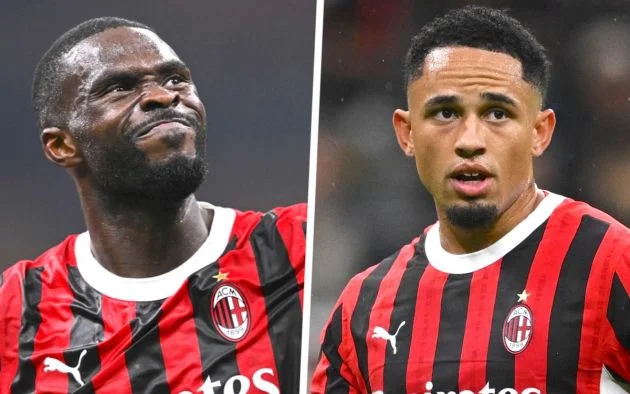
The January transfer window brings significant challenges and decisions for AC Milan, especially regarding potential signings and exits that might affect squad depth.
As European clubs scramble to refine their rosters and gear up for the second half of the season, AC Milan finds itself at a crossroads this January. Their decisions about player transfers could heavily influence not just the current season, but also the club's long-term ambitions. With a reputation built on a blend of seasoned players and promising talent, Milan's ability to navigate this transfer period will be closely scrutinized. If you're working in this space, you'll appreciate how every transfer window can redefine team dynamics, putting pressure on clubs to make calculated decisions.
Tomori's Position Remains Secure
Recent reports from La Gazzetta dello Sport indicate that Juventus has renewed its interest in Tomori, especially after Barcelona decided against selling Ronald Araujo due to an injury to Inigo Martinez. Juventus is reportedly willing to offer a loan deal with an obligation to buy, potentially valued at €30 million. This kind of aggressive pursuit underscores both Tomori’s value in the market and the man-management challenges facing AC Milan.
Here's the thing: Tomori's position on the squad is anything but shaky. The recent arrival of Conceicao, a talented new addition to the coaching staff, has solidified Tomori’s status as an essential player. His performances on the pitch have been instrumental, making a departure unlikely at this juncture. This current season's competitive nature is fierce, and losing a player of his caliber, especially to a rival, could have severe repercussions. The prior dealings involving Pierre Kalulu add another layer of complexity, as parting ways with crucial defensive assets could suggest vulnerability.
AC Milan seems determined to maintain its defensive stability, making the idea of Tomori moving to Juventus all the more dubious. The club likely recognizes that allowing significant players to leave, particularly in January, could send the wrong message to fans, rivals, and existing players. So it stands to reason that Tomori will remain at Milan at least until summer, when the club can reassess its strategy based on performance and potential injuries within their ranks.
Challenges for Okafor
Noah Okafor's situation, on the other hand, is considerably more complicated. He returned to Milan feeling disappointed after a move to RB Leipzig fell through. Initially, there were conflicting reports surrounding the reasons for the failed transfer, specifically concerning Okafor's physical condition versus financial motivations from the German club. This breakdown in communication exemplifies how negotiations can become clouded by both player fitness and fiscal tactics in the high-stakes environment of football transfers.
As reported by SempreMilan.it, Leipzig utilized Okafor’s less-than-optimal fitness to renegotiate the loan conditions, suggesting a move to a free transfer rather than proceeding with the initially agreed-upon €2-3 million fee. AC Milan's reaction to this sudden change was both swift and decisive; pulling him back from Leipzig was clearly an act of self-preservation, aimed at avoiding a situation that could have deteriorated quickly. It reflects the often cutthroat negotiation landscape where clubs try to manipulate circumstances to their advantage, leaving players like Okafor in limbo.
This new approach from Leipzig not only jeopardized the deal but also diminished Milan's opportunity to secure a profit from Okafor's transfer. The removal of the initial transfer fee would have made any subsequent agreement merely temporary, effectively ensuring that Leipzig had no serious commitment. The fallout from this negotiation has strained relations between AC Milan and Leipzig, adding another layer of complexity to Okafor’s future. Milan is currently collaborating with Okafor's agents to explore new markets where his skills could be better utilized, something that has become a priority for the club's management.
Milan’s focus remains on maintaining a strong squad while ensuring their players are positioned effectively for the club's ongoing ambitions. The club understands that Okafor’s development is vital both to his career and to Milan's forward-looking strategy.
Future Outlook and Implications
The current transfer window represents more than just a brief moment in time; it encapsulates the larger ambitions of AC Milan. With Tomori looking set to stay and Okafor's future uncertain, the decisions made now could ripple through the coming seasons. If Milan can successfully resolve Okafor’s situation by either facilitating a transfer that meets their standards, or rejuvenating his role within the team, the club may avoid deeper consequences down the line.
The ramifications extend beyond mere player movements. AC Milan must also consider its brand and reputation within the sport. A stable and competitive squad can attract talent, ensure fan loyalty, and provide a solid competitive edge in Serie A and beyond. Given the fierce competition in Italy and in continental tournaments, moves made in January could pave the way for Milan to either reclaim its spot among Europe’s elite or risk falling further behind the likes of Juventus and Inter Milan.
In the bustling world of football transfers, keeping a close eye on developments is essential. As clubs adjust to ongoing challenges, maintain competitive rosters, and respond to both market factors and player performance, this January window will certainly be one to watch. Expect twists and turns as clubs attempt to find the right players to fulfill their visions. And you can bet AC Milan's actions will be in the spotlight.
Discussion
Sign in to join the discussion.