Arsenal's decisions in the transfer market came under scrutiny as key players like Isak and Ekitike thrive at rivals, highlighting a need for strategic reinforcements.
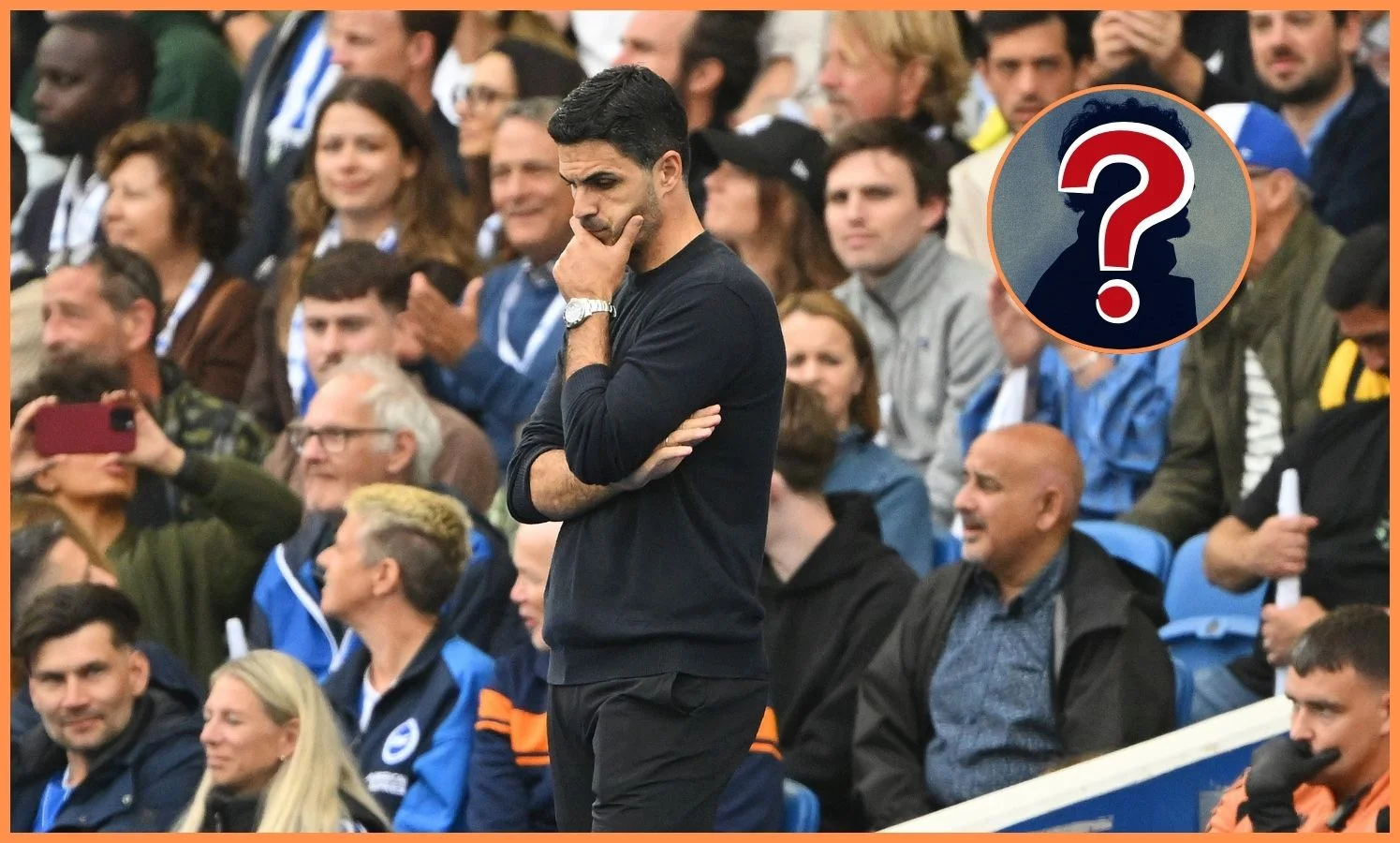
Arsenal has been criticized for missing out on key attacking talents Alexander Isak and Hugo Ekitike, who have since excelled at Liverpool.
These two players joined the Reds, but their transfers came at a significant cost, particularly Isak, who made headlines as the most expensive signing in British football history at the time. This kind of financial commitment reflects a trend seen across Europe where top clubs are increasingly willing to pay a premium for young talent, especially those who have already demonstrated considerable potential on the biggest stages. Arsenal, however, has found itself on the outside looking in, witnessing the immediate successes of these players elsewhere.
While Arsenal focused on broadening their squad depth through signings such as Viktor Gyokeres, Eberechi Eze, and Noni Madueke, some believe this strategy fell short. Instead of splurging on a marquee player estimated between £120-150 million, the Gunners opted for depth, a move that might not have addressed their most pressing needs upfront. The decision to prioritize multiple squad players over elite, high-impact talent raises questions about Arsenal’s long-term strategy and their current position within the Premier League hierarchy.
Insights from Former Arsenal Player
Jay Bothroyd, a former Arsenal player, pointed out that the squad lacks a top-tier striker like Isak, Ekitike, or even Julian Alvarez of Atletico Madrid. Bothroyd stated, “When I look at Julian Alvarez, I think he is exactly what Arsenal needed.” His insights reflect a commonly held belief among fans that Arsenal’s failure to secure a high-profile striker could significantly hamper their prospects both in domestic competitions and on the European stage. He emphasized that while Gyokeres showed promise in Portugal, his physicality in the Premier League has proven challenging.
Bothroyd articulated a greater concern: “Arsenal are too big just to have a player and say: ‘You’re occupying the centre-backs.’” This criticism underscores a widespread sentiment that the club needs a standout presence at the front. Simply filling positions with players who don't meet the caliber of talent required to compete at the highest level is insufficient, particularly for a club with Arsenal’s historical pedigree. If you're working in this space, you'll recognize that the teams investing heavily in star talent tend to see quicker returns, especially in competitive leagues where the margins are razor-thin. (and this is the part most people overlook)

Future Strategies for Arsenal
Given the glaring need for attacking reinforcements, Arsenal's leadership may need to act decisively in the upcoming January transfer window. The club previously showed interest in players like Alvarez, Morgan Rogers, and Vinicius Junior, potentially signaling they have funds available to pursue another key player. The stakes are high. Fans and analysts alike are watching closely to see whether the Gunners can respond effectively to their current limitations.
An intriguing option could be Bournemouth’s Eli Junior Kroupi, whose future will rely heavily on his fitness and form following an injury. Targeting players with injury concerns could be a double-edged sword; while the potential for growth and high reward exists, the risks associated with an unfit player can be detrimental. Will Arsenal go for the safe bet or take a gamble on untapped talent?
The scrutiny surrounding Arsenal’s transfer strategies highlights a pivotal moment for the club as they aim to enhance their performance on the pitch. The decisions made in the next transfer window won't just affect this season; they could have lasting implications on the club's ambitions for years to come. Stakeholders need to align their vision with an actionable plan, ensuring that they prioritize quality over quantity to reclaim their status as contenders in the Premier League.
The Implications Going Forward
As Arsenal finds itself grappling with the consequences of its transfer strategy, the broader implications cannot be overlooked. Missing out on talented players like Isak and Ekitike does more than leave a gap in the squad—it reflects a potential misalignment between club ambitions and its financial acumen. After all, investing in players who can deliver immediate results isn’t just an expense; it’s a strategic move toward fostering a competitive edge.
The ripple effects of underperformance can extend beyond the pitch. Fan engagement, sponsorship opportunities, and even youth development programs can suffer should the first team fail to deliver. If Arsenal's next moves in the transfer market don’t hit the mark, the fallout could haunt the club for seasons to come. Failure to adapt could leave the team further behind rivals that are continually willing to spend big on talent capable of immediate impact.
This outlook suggests the pressure is mounting. The club's hierarchy must acknowledge that accumulating decent players won’t suffice if the aim is to achieve greatness. Now, more than ever, an aggressive approach toward acquiring top talent that can make a decisive impact is paramount for Arsenal’s aspirations on both domestic and European fronts.
Discussion
Sign in to join the discussion.