Barcelona are weighing Martin Zubimendi as a possible Frenkie de Jong alternative, while his limited Arsenal minutes and long contract complicate a move.

Barcelona’s reported interest in Martin Zubimendi hinges on two unsettled questions: whether Frenkie de Jong’s role will change and whether Arsenal would consider selling a midfielder they signed for about €70 million. No formal offer or negotiations have been reported. That distinction matters: a player being discussed as a possible fit is a long way from a club deciding to pursue him, and further still from an agreement with his current team.
The situation is best read as a set of conditions rather than a developing transfer. Barcelona would need to decide that Zubimendi addresses a real need in its midfield, while Arsenal would have to see a reason to part with a player on a long contract. Neither decision can be inferred from reported interest alone.
Limited minutes sharpen the question
Zubimendi, 27, joined Arsenal from Real Sociedad in summer 2025 and initially became an important part of Mikel Arteta’s squad. Competition for places has since cut into his appearances. He has reportedly played 89 minutes in Arsenal’s first six Premier League matches, leaving his longer-term place in the team uncertain.
That figure is a notable early signal, but it needs context. A short run of league matches can show how a player is being used at a particular moment; it doesn’t, by itself, establish that the club has lost confidence in him or intends to sell. Selection can reflect competition, tactical choices, and the changing demands of a season. Arsenal’s decisions over a longer stretch would offer a clearer indication of whether Zubimendi is settling into a regular role or remaining on the edge of the side.
For a midfielder, minutes also tell only part of the story. The position often involves work that can be difficult to judge from appearances alone: keeping the team’s shape, offering a safe passing option, and helping control the pace of possession. Those qualities may matter to a coach even when they don’t translate into an automatic place in the starting lineup. Still, sustained time on the bench would naturally raise questions about what the club expects from a costly signing.
Barcelona may view his positional discipline, calmness on the ball and ability to control tempo as a fit for Hansi Flick’s midfield. His experience in Spanish football could also ease his adjustment. Those qualities describe a plausible sporting rationale, not evidence that Barcelona has made a decision. This is more significant than it looks: the question isn’t simply whether Zubimendi is good enough, but whether Barcelona’s needs, Arsenal’s plans, and the player’s available role line up at the same time.
De Jong and Arsenal shape the decision
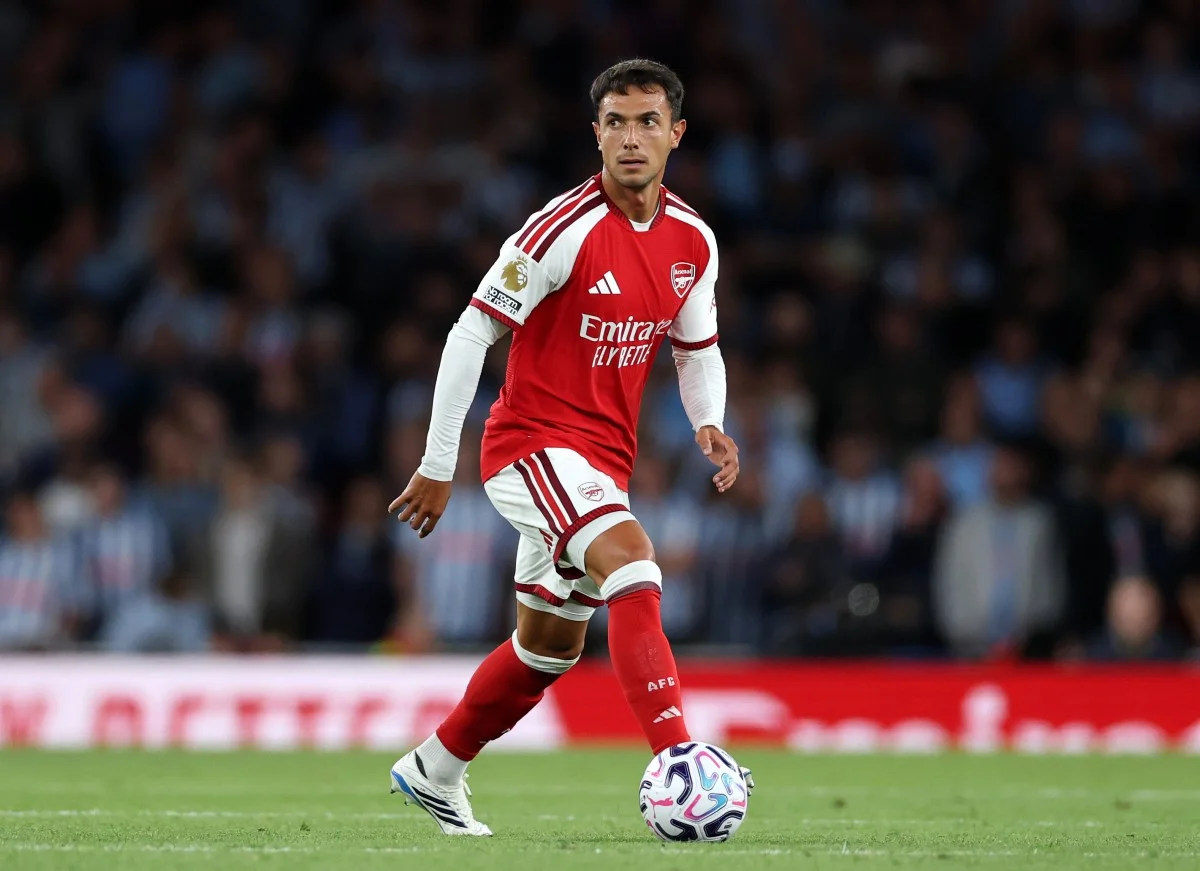
Arsenal hold the stronger hand in any transfer discussion: Zubimendi’s contract runs until 2030, and the club paid approximately €70 million to bring him from Real Sociedad. Barcelona could therefore face a significant cost if it chooses to pursue him. A long contract gives Arsenal room to decide on its own timetable, while the reported fee sets a substantial benchmark for any discussion about a sale.
That doesn’t mean a transfer is impossible. It does mean that Barcelona would need a convincing sporting case and a workable financial plan, while Arsenal would need to see value in changing course so soon after signing him. A player’s limited minutes can make a move seem easier to imagine from the outside; they don’t erase the club’s contract position or the investment it has already made.
De Jong’s recovery from a knee injury remains central to Barcelona’s plans. His absence has brought more competition from Rodri and Pedri, and his contract runs until 2029. Barcelona may assess other options if his role shifts substantially, but it first needs to judge his recovery and whether another costly midfield signing makes sense.
Here’s the thing: De Jong’s return could alter the question Barcelona is asking. If he resumes a role the club considers central, the urgency to add another midfielder may look different. If his role changes, the club could reassess the balance of its options. The available information doesn’t settle either possibility, and it doesn’t establish that Zubimendi would be the preferred answer.
There’s also a practical distinction between wanting a player and having room for him. A potential signing would have to fit the team’s responsibilities in midfield and justify its cost alongside the players already in the picture. (And this is the part most people overlook.) A familiar playing style or a promising profile can make a link sound persuasive, but neither guarantees that the squad needs another player in that position.
What the interest could mean next
For now, Zubimendi is a name to monitor rather than an active target. His Arsenal playing time, alongside De Jong’s return and standing in Flick’s plans, will determine whether reported interest develops into a transfer pursuit. The next meaningful evidence would be a change in one of those circumstances, rather than repetition of the same transfer link.
If you’re working in this space, the useful indicators are straightforward: whether Zubimendi’s role at Arsenal becomes clearer, whether Barcelona’s assessment of De Jong changes, and whether either club takes a concrete step. Until then, the story remains a plausible fit attached to unresolved sporting and financial questions.
That said, the reported interest still points to a broader selection problem for Barcelona: any midfield target has to make sense against the players already available and the role the coach wants to fill. Zubimendi’s reported qualities may answer part of that question. His minutes, contract, and Arsenal’s willingness to listen are the harder tests. Not a deal yet.


Discussion
Sign in to join the discussion.