At 18, New England’s Peyton Miller has earned his first senior U.S. call-up while staying focused on development before a move to Europe.
A first senior call-up, with no rush to leave
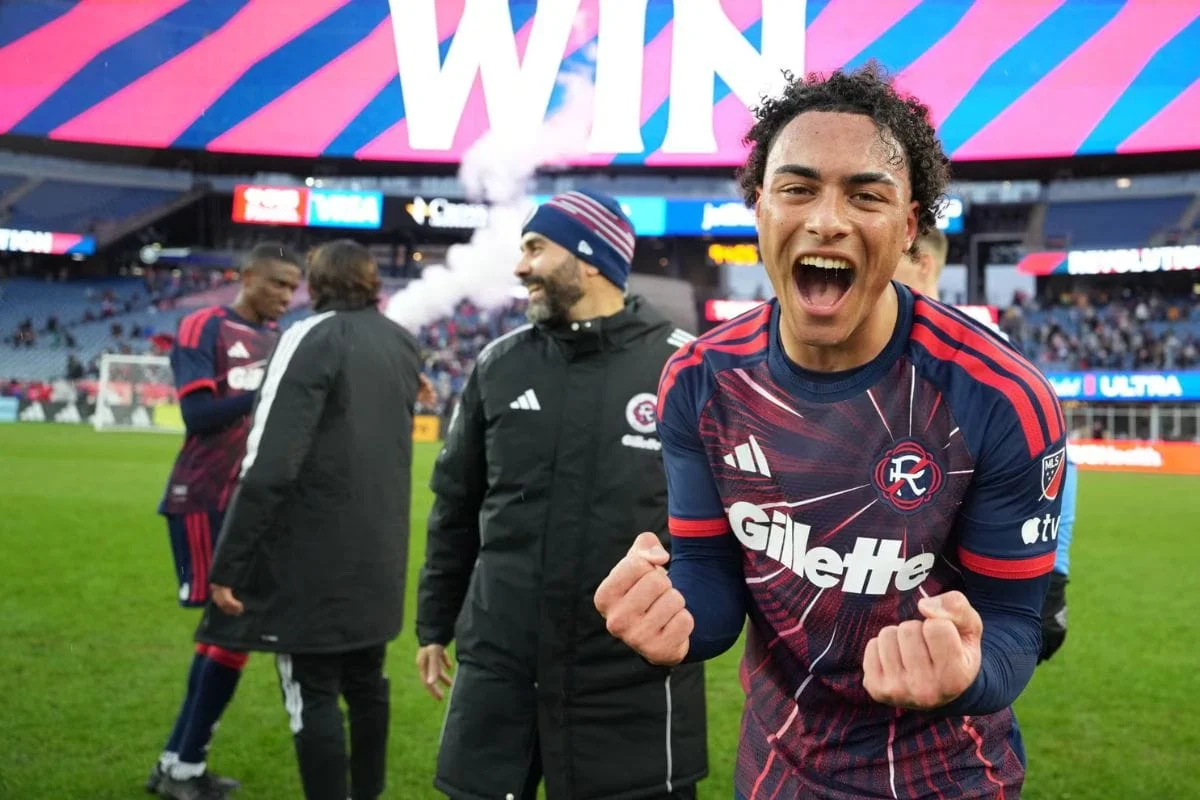
Peyton Miller’s first U.S. men’s national team call-up is a meaningful step for the New England Revolution teenager, but it hasn’t changed how he thinks about his club career. The 18-year-old wants to play in Europe eventually. For now, he says New England is the right place to keep learning, a view that puts development ahead of the prestige of moving abroad early.
“I’m where I need to be, and Marko [Mitrovic] is the exact coach that I need to help me continue to develop,” Miller told Backheeled. “Eventually I do want to go [to Europe], but… I’ll know when that time’s right.” That answer is measured, especially in a sport where young players can be framed as future exports as soon as they break through. Miller’s point is simpler: the next move should make sense for his growth, not just his ambitions.
The call-up came during a fall international window in Minneapolis, the first longer break of its kind during the club season. It gave Miller a chance to step into the senior national team environment while still at the beginning of his professional development. He called the opportunity “an honor and a blessing,” and said older players had taken him under their wing. For a first-time call-up, that welcome matters: adapting to a new group is part of the challenge, alongside showing what he can do on the field.
Revolution head coach Marko Mitrovic describes Miller as focused on the present. Miller, who turns 19 on Sunday, is proud to represent New England and sees the club as a place to develop, Mitrovic told Backheeled. He expects Miller to move eventually, but says the teenager is already playing in a good league and has no need to hurry. That’s a useful counterpoint to the assumption that a young player’s progress can be measured by how quickly he leaves home.
A habit of training early
Miller’s rise started long before he joined New England’s academy at 13. As a child in Connecticut, he dribbled around his family’s condo and kicked the ball against the wall until his parents took him to a field. At about seven, he began working with his father after school and joining his older brother Logan’s team sessions. He was playing alongside boys four years older, an early sign of how comfortable he was testing himself against stronger competition.
After the family moved to a house with a yard, Miller had space for a goal and cones. He began training with his father at 5:30 in the morning. A No. 10 who later played on the wing, he stood out for his commitment as well as his ability, often competing two years above his age group. Talent can open a door, but those routines suggest a player who was willing to put in extra work before an academy pathway was available.
That work came with a change in environment. At 14, Miller left home for the Revolution’s residency program, taking on the demands of a structured youth setup while still young. His path also took an unexpected turn when the youth national team needed a left-back. Rob Becerra, then Miller’s U-15 academy coach and now the Revolution’s director of youth development, recommended him for the role even though Miller hadn’t played there before.
The position change is a small but telling part of his development. A player’s early reputation can be tied to one role, yet youth soccer often asks players to adapt as teams fill gaps and coaches assess their skills in different situations. Miller’s move from attacking roles to left-back shows that his route hasn’t been a straight line. It also gives context to why his coaches talk about development as an ongoing process rather than a finished product.
Ambition with a longer view
Miller grew up watching Manchester City and Madrid, and now favors PSG. The ambition to reach a major European club is clear, but he hasn’t presented that destination as an immediate demand. His senior U.S. debut and continued work in New England give him a nearer-term focus: build experience, improve under Mitrovic and see what opportunities follow.
Here’s the thing: a call-up can raise expectations before a young player has had time to establish himself. Miller’s comments offer a grounded response to that pressure. He can want Europe and still judge the timing carefully. This is more significant than it looks, because choosing when to move can shape what a player gets to work on and how much responsibility he earns.
If you’re working in this space, Miller’s path is a reminder that progress isn’t always a straight climb from academy to overseas club. It can involve changing positions, learning from older teammates and building confidence in a familiar environment. And this is the part most people overlook: patience is only useful when it comes with continued growth.
And yet, the ambition remains. A future move is part of Miller’s own picture, not just an expectation placed on him by others. For now, New England is where he believes he can develop, and the national-team call-up gives him a new level to learn from. No need to force the next chapter early.

Discussion
Sign in to join the discussion.