Paulo Fonseca requests additional assessment time for Lorenzo Colombo, who may have a future with Milan despite interest from other clubs.
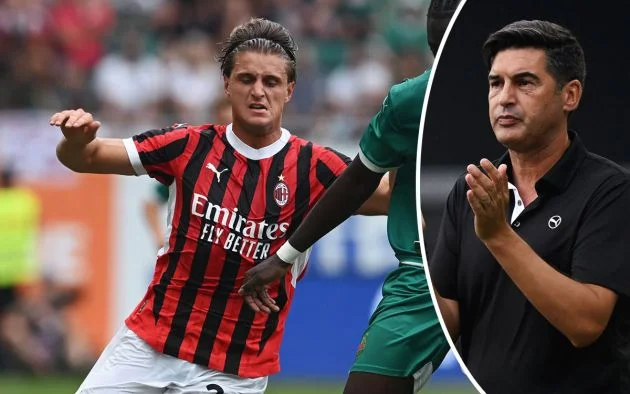
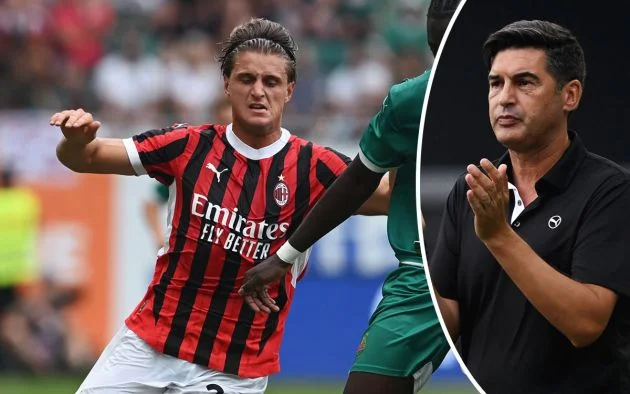
Following his return from a loan at Monza, striker Lorenzo Colombo is under close scrutiny by Milan's coach, Paulo Fonseca. Speculation about Colombo's exit may be premature, as recent discussions indicate that his future isn't as settled as some believe. This situation raises several questions about both Milan's strategy and Colombo's potential as a player. Are they willing to invest the time needed to harness his abilities, or will they succumb to the pressure to let him go due to external interest?
Fonseca Requests Evaluation Period
Sources indicate that Fonseca has requested more time to assess Colombo's capabilities. The coach aims to include the striker in the team’s pre-season tour of the United States to evaluate his performance thoroughly before making any decisions. This pre-season tour can be pivotal as it allows coaches and players to build chemistry and fine-tune their tactics ahead of the competitive season.
Colombo’s season at Monza was marked by inconsistency, with just four goals to his name. That might seem underwhelming for a striker, and many might question his fit within a top club like Milan. Yet, Fonseca sees potential in him and wants to determine if he can unlock it during the upcoming matches. Colombo's youth should not be overlooked either—many players take time to reach their peak, especially in demanding environments like Serie A.
The recent friendly against Rapid Wien showcased Milan's struggles, particularly in the first half, leaving both Colombo and Fonseca with the impression that further evaluation is necessary. Fonseca, who has some experience managing players and nurturing their growth, might be willing to give Colombo the benefit of the doubt. But that patience could quickly wear thin if he doesn't start to demonstrate something tangible on the pitch.
Clubs Show Interest
Simultaneously, interest in Colombo is mounting from multiple clubs, notably Empoli, who are eager to secure his services. This interest should not be dismissed lightly; it reflects a broader trend in football where young, potentially talented players are scouted vigorously. Empoli has been known to find and nurture raw talent before they become household names, which makes them a fitting suitor for Colombo.
Torino is also tracking Colombo closely, but uncertainties on their part remain as they pursue additional signings, especially after reported advances for Che Adams. It's clear that even if Milan has doubts, other Serie A clubs see something worth investing in. The pressure from potential suitors could influence Milan’s decision regarding the striker’s future. If clubs like Torino and Empoli are willing to take a chance on him, Milan might find it challenging to hold onto Colombo, especially if they can’t provide him with the playing time he requires to develop.
The Milan management's final decision may hinge on their strategies for staffing their forward line. If they’re focused on bringing in big-name strikers or seasoned players, Colombo’s future will become even murkier. Meanwhile, Fonseca continues to advocate for more time with Colombo to see if he can thrive in the team's setup. This internal tug-of-war could be crucial as the new season approaches.
Implications and Future Outlook
The dynamics surrounding Lorenzo Colombo are indicative of larger trends in professional football. Clubs are increasingly cautious about losing young talent to the allure of immediate success, especially when they see potential in developing players. If you’re working in this space or a fan following the sport, this situation definitely warrants attention.
Colombo's future isn't locked in, and how Milan navigates this scenario could define their season. Should they opt to keep him, it may signal a commitment to long-term growth over short-term returns. Conversely, letting him go might reflect a strategic pivot towards more reliable, proven talent—essentially betting on the certainty of experience over the gamble of youth.
This situation hangs in a delicate balance. It’s more significant than it looks. A decision to part ways with Colombo could not just affect him but also alter Milan's forward options in the short term. It sets a precedent for how teams manage young talent amid increasing pressure from competing clubs. That ripple effect could potentially motivate other teams—fearing they'll lose their prospects to external interest, they may invest in protective contracts or scouting departments more aggressively.
Ultimately, what this means for you, as someone invested in either player careers or club strategies, is simple. Watch closely. The resolution of Colombo's status could serve as a microcosm for numerous decisions being made in football at large, particularly in how clubs balance youthful potential against the demands of immediate competitiveness. (And this is the part most people overlook.) As the new season looms, the stakes rise, and all eyes will be on Milan's approach to developing or discarding talent like Colombo.
Discussion
Sign in to join the discussion.