Stefano Pioli's post-match desire for solitude reflected the intense emotions of the game, not a rift with his staff.
The Emotional Landscape of Coaching in High-Stakes Matches
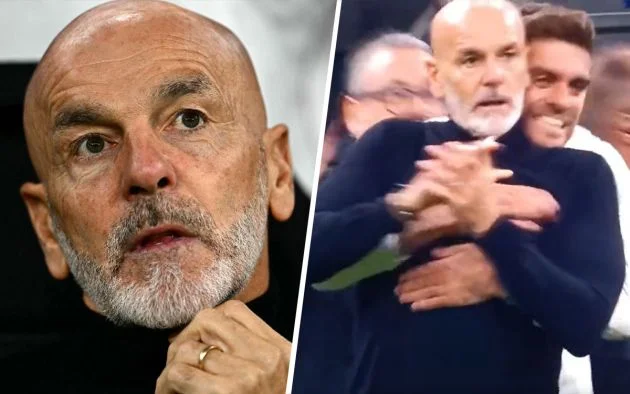
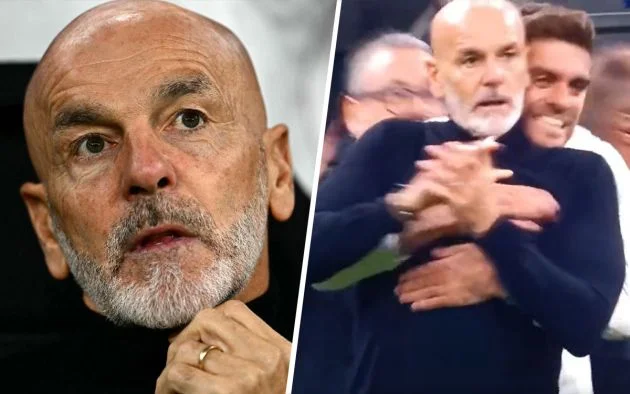
Stefano Pioli's reaction at the conclusion of the match against PSG at San Siro stirred up conversations among AC Milan fans online. His request for solitude, instructing his staff to "leave me alone" during those tense moments post-match, stood out as a noteworthy incident. But what's often overlooked by spectators is the emotional environment coaches operate in during top-level football matches. The pressure is intense, and emotions can become overwhelming.
High-stakes matches, particularly in European competitions like the Champions League, can elicit a range of complex emotions. Coaches often find themselves managing not only their strategy but also the adrenaline and stress that come with each play. This dynamic can lead to reactions that might appear puzzling or unorthodox to the casual observer, especially in a moment charged with significance like a matchup against a team like PSG.
Understanding Pressure and Adrenaline in Sports Contexts
The context surrounding Pioli’s behavior is crucial for understanding its nature. Contrary to some speculation that his actions hinted at discord with his coaching team, they were instead tied to the adrenaline that accompanies the high-pressure atmosphere of a high-stakes encounter. Under pressure, the body releases hormones, creating a natural response that can lead to emotional outbursts or requests for space. In competitive sports, this phenomenon isn't rare; coaches and players often need a moment to regroup after such exhausting experiences.
This isn't just about Pioli. Consider other coaches in similar situations. Many have been seen walking off the pitch or refusing immediate interviews. Such behaviors are often misinterpreted. What they frequently signify is the weight of the moment rather than any internal conflict.
A Closer Look at the Aftermath
After regaining his composure in the locker room, Pioli quickly shifted from a solitary moment to celebrating with his colleagues. This transition highlights that his initial request for distance wasn’t personal but was simply about finding a moment to unwind after the exhausting engagement with PSG. The coaching staff and players share a bond forged through victories and losses. Recognizing the importance of these relationships can help explain why, despite a fierce competitive nature, coaches often feel the need to reconnect post-game.
To reinforce this idea, think about the emotional ups and downs experienced throughout a match. The highs of scoring and the lows of conceding can put everyone on edge. As Pioli demonstrated, taking a brief moment away can be a necessary part of managing those emotional swings.
The Role of Public Perception
In the world of football, public perception can significantly shape narratives. The reactions of fans on social media to Pioli's request underscore a broader issue in sports today: the difficulty of interpreting emotional expressions in high-stress situations. Fans often lack the full context and can easily jump to conclusions that may not reflect the truth. This tendency can lead to the demonization of figures in football, often unfairly portraying them as disconnected or conflicting. In Pioli's case, his actions were misread, but social media flashes moments out of context, leading to misinterpretations and speculation.
As a seasoned coach, Pioli knows this all too well. He has to navigate not just the tactical side of the game but also the narratives spun by the media and fans, which can influence everything from player morale to recruitment efforts. Understanding this aspect of his job is vital both for him and his staff.
Implications for Coaching and Team Dynamics
This small incident brings up significant implications for how coaches are perceived in the public eye. Emotional expressions should not be stigmatized; they’re part of what makes sports so gripping. Coaches are human, after all, and their reactions can often mirror the struggles faced by their players. If you're working in this space, it’s essential to understand the intense pressure under which coaches operate and to advocate for a more compassionate understanding of their emotional expressions.
Moreover, this incident raises questions about how teams manage emotional well-being. The necessity for mental health resources and coaching staff's access to emotional support has become increasingly apparent. Acknowledging the emotional complexity of high-level sports can contribute to a healthier environment not only for coaches but also for players.
The Future Outlook: Navigating Emotion in Coaching
Looking ahead, the way coaches like Pioli communicate their emotional needs could shift as understanding around mental health in sports evolves. As clubs set up more supportive structures for their coaching staff, players should also benefit from greater awareness of emotional management during high-tension games. This reflects a growing recognition that performance is not solely about physical training, that emotional resilience plays an equally critical role in achieving success.
What this means for you, whether you're a fan, player, or coaching staff, is understanding that behind every moment of tension lies a human experience characterized by highs and lows. Emotional expression shouldn't be a source of conflict but a natural part of the game. Acknowledging this can foster not only individual growth but also team cohesion going forward.
Discussion
Sign in to join the discussion.