AC Milan's decision to forgo defensive reinforcements raises concerns as their backline struggles continue to expose vulnerabilities.
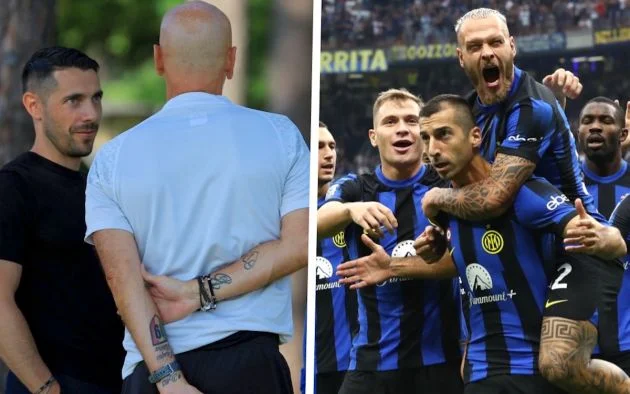
AC Milan's management has opted against investing in additional central defenders for the summer transfer window, a choice that has already sparked criticism.
The recent derby defeat to Inter was particularly painful; not only did it mark a fifth consecutive loss to their rivals, but it also revealed significant weaknesses in Milan’s defense.
Despite a promising start to the league season, winning their first three matches, Milan quickly saw their confidence wane following this humiliating loss, stirring up issues that many had hoped were resolved.
Defense in Question
As highlighted by SempreMilan.it, this defeat has underscored a pressing concern within the squad: the defensive unit's instability. This isn't merely an isolated incident but a culmination of glaring issues that have been festering for quite some time.
While injuries to Pierre Kalulu and the suspension of Fikayo Tomori certainly affected the performance, Milan fielded their veteran central defender Simon Kjaer alongside Malick Thiaw, both of whom failed to meet expectations on the pitch. The absence of key players like Kalulu should have highlighted the need for depth and adaptability in the squad, but management's decisions haven't reflected that reality.
Warning Signs Ignored
The warning signs have been apparent for some time; last season and even preseason friendlies showcased Milan's ongoing struggle to maintain defensive integrity, particularly following their switch to a 4-3-3 formation, a tactic that’s proved to be challenging given the current personnel. The shift in formation often necessitates a more coordinated defensive strategy, which this squad hasn't been able to develop.
Back in summer 2022, the late Paolo Maldini recognized these vulnerabilities and attempted to secure Sven Botman from Lille. Botman ultimately signed with Newcastle, exposing a serious oversight in management's decision-making. Instead, that budget was redirected towards securing Charles De Ketelaere, a move that many now argue hasn’t paid off in a time of defensive needs. This oversight in prioritizing midfield creativity over defensive stability may haunt the club for seasons to come.
Management Decisions Under Fire
After Maldini's departure, Giorgio Furlani and Geoffrey Moncada, with coach Pioli’s endorsement, decided to strengthen virtually every position except defense. They only acquired Marco Pellegrino as a substitute for Matteo Gabbia, a move that has raised eyebrows among fans and analysts alike. It appears as though they believed that having Tomori, Thiaw, Kalulu, and Kjaer, along with Pellegrino and even Mattia Caldara as backup, would suffice for the season. But that's a gamble that's already looking questionable.
However, the consistency and form of these central defenders have been shaky for several months now, leading one to ponder if management truly understood the gravity of their defensive struggles. If you closely watch their past matches, the signs of a fragile defensive structure were clear: a lack of communication, coordination, and an alarming tendency to concede easy goals. The current state of Milan's defense is alarming; conceding five goals to Inter could signal the beginning of a tough season plagued by defensive lapses. It’s now up to coach Pioli to adapt and devise strategies with his limited resources. But operational limitations also impose risks. Can he work magic with a group that's shown substantial fragility?
Implications for the Season Ahead
This situation could significantly impact AC Milan’s aspirations for the current season. The pressure isn’t merely on the players but also on the coaching staff and management. Fans and analysts will closely monitor how Milan responds in the upcoming weeks. If the defensive issues remain unresolved, points will be dropped, and crucial games will be lost, making each match an uphill battle.
And yet, the ramifications extend beyond this season. If management continues to ignore the defensive frailties, it could have long-term consequences for the club's ambitions. Defensively weak teams often struggle in high-stakes matches, which can lead to eroded support from fans and diminishing returns in player recruitment. Teams that fail to address fundamental weaknesses don't often win trophies or competitive respect. What this means for you, if you're working in this space, is that the situation demands urgent attention—not just for the current roster but for the future identity of AC Milan.
Ultimately, it’s a situation that merits scrutiny. The decisions made—or not made—now will echo through the corridors of Milanello for years to come.
Discussion
Sign in to join the discussion.