Ruben Loftus-Cheek's Transfer to AC Milan: A Fresh Start and Tactical Shift
Published Jun 29, 2023Reads 352By Oliver Fisher
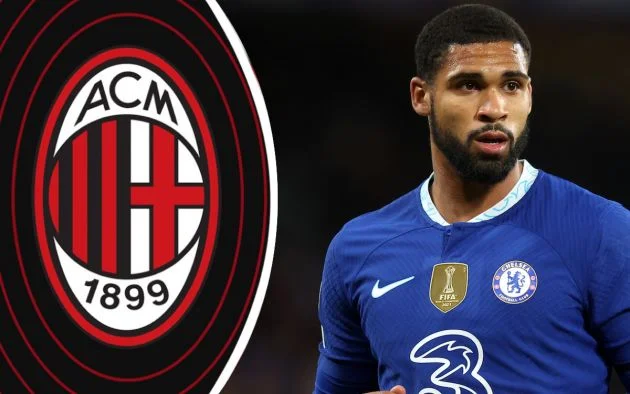
Ruben Loftus-Cheek joins AC Milan from Chelsea, seeking stability and a key role in a team reshaping its midfield ahead of new challenges.
A New Chapter for Ruben Loftus-Cheek
As AC Milan prepares to finalize the transfer of Ruben Loftus-Cheek from Chelsea, this move signifies more than just a fresh start for the midfielder—it's a calculated adjustment for both clubs facing different challenges. Milan, looking to reinforce their midfield ahead of Sandro Tonali's anticipated departure, sees Loftus-Cheek as a promising addition, yet he's just the first piece they'll need to complete the puzzle.
After undergoing a medical earlier today, Loftus-Cheek expressed his excitement about the switch, a sentiment echoed by sources close to the situation. But what does this transition mean for Loftus-Cheek, whose time at Chelsea was marked by unfulfilled potential?
Simon Johnson from The Athletic sheds some light on Loftus-Cheek’s stint at Chelsea, where he's often played a bit-part role rather than as a first-choice midfielder. His versatility has led him to occupy various positions, from right wing-back to defensive midfielder, but that adaptability hasn't brought him the stability or prominence he needed to thrive. “He’s become someone to fill in a hole somewhere,” Johnson observed, noting that at 27, Loftus-Cheek's high weekly salary of £150,000 raises questions about his future at a club eager to trim its squad and budget.
Chelsea's ownership has made it clear they are open to offloading players as they look to rebuild, especially those approaching the end of their contracts. With Loftus-Cheek's departure, the club can benefit not just from the transfer fee—reportedly €16 million up front, plus potential bonuses—but also from significant savings on their wage bill. This shift aligns with their broader strategy of refreshing the squad with younger talent.
The question remains, how will fans remember Loftus-Cheek? Johnson emphasizes his popularity, partly attributed to his status as a product of Chelsea’s academy. He was once seen as having immense potential, but a serious Achilles injury in 2019 stunted his progress. Despite showing promise during a strong season under Maurizio Sarri, unfortunate injuries led to loan spells and a stagnating Chelsea career, with Loftus-Cheek rarely managing to nail down a starting spot.
So, how has Loftus-Cheek fared in recent seasons? His 32 appearances last term might not seem remarkable, especially when compared to teammates like Gallagher, who made 45 appearances. But in a turbulent Chelsea squad, those appearances signal a degree of trust from the coach. Loftus-Cheek’s season can be rated around a solid 7 out of 10; his performances across different roles highlighted his adaptability, even if he never found his rhythm or a consistent position.
What about his new role at Milan? Loftus-Cheek is likely best suited to a box-to-box position, thriving in a setup that allows him to utilize his strength and pace. Milan typically deploys two defensive midfielders, so it’ll be interesting to see how they incorporate him into their tactical framework, particularly since he has shown flashes of brilliance when given room to operate.
Loftus-Cheek's transfer isn't just about team dynamics; it's also about personal growth. Moving to a club with the storied prestige of AC Milan offers Loftus-Cheek a chance to redefine his career. He knows faces like Olivier Giroud and Fikayo Tomori on the squad, which may help him acclimatize more easily. While there's bound to be emotional weight in leaving Chelsea, it appears he is ready for the excitement and challenge that Milan represents.
In conclusion, this transfer is significant not only for Loftus-Cheek's career but also for the shifting circumstances both he and Chelsea find themselves in—a player and a club ready to pursue new ambitions. If Loftus-Cheek can rejuvenate his journey in Serie A, the potential benefits could be vast for both the player and his new club.### Closing Thoughts: Milan's Strategic Moves
AC Milan seems poised to secure its future by extending the contracts of promising talents Camarda and Comotto. This decision signals not just a commitment to youth development, but also a broader strategy focused on building a sustainable team. Fans and analysts alike can interpret these moves as Milan aiming to blend experience with youthful energy in hopes of returning to their historical elite status.
However, the situation isn't without its complexities. While contract extensions can breathe new life into a roster, one might wonder about the timing and implications behind these decisions. Are they a reflection of confidence in these players' potential, or more of a stopgap measure amidst deeper strategic adjustments? Balancing the development of young prospects with immediate performance needs can be a tightrope act.
On another note, there's the pressing subject of managerial stability, recently illustrated by the events surrounding Ruben Amorim. His situation highlights a chain of pressures inherent to top-flight football, where success is often measured in stressful terms and job security can evaporate quickly. If you’re connected to Milan, the path ahead might involve navigating a landscape fraught with challenges, especially if management doesn’t shore up support for its coaching staff.
As we look ahead, the choices Milan makes over the coming months will be critical. Will they retreat into a cycle of nurturing talent without the necessary competitive edge, or can they transition from potential to tangible results? For stakeholders—fans, staff, and players—the stakes have never been higher, and monitoring these developments closely will be essential.
Discussion
Sign in to join the discussion.