Following the departures of Maldini and Massara, AC Milan's leadership transition is eyeing Modesto and Tare as potential successors.
The recent dismissals of Paolo Maldini and Ricky Massara have sent shockwaves through AC Milan, prompting the club to evaluate its options for the future.
This decision stemmed from conflicts with owner Gerry Cardinale regarding transfer strategies and broader visions for the club. Maldini, a legendary figure in Milan’s history, and Massara played pivotal roles in recent successes such as the Serie A title. However, their contrasting views with Cardinale led to a rupture that points to deeper issues within the club’s governance. Now, as Milan seeks to stabilize after this shake-up, several names are surfacing as potential replacements, with insights from SempreMilan.it.
Moncada's Expanded Role
One name that’s being thrown around is Geoffrey Moncada, the current chief scout. His expanded role in the club’s transfer dynamics could signal a shift in how Milan approaches recruitment. Known for his low-key demeanor, Moncada's ascent to a more decisive position may help streamline club operations during turbulent times. His ability to act independently based on insights from his scouting team could provide the kind of agility that Milan needs in the transfer market—something that hasn't been a hallmark of the club's recent strategy. Moncada’s experience in identifying young talent aligns well with the club’s financial strategy, which appears to lean more towards cost-effective solutions. This entrenchment of scouting within the leadership structure is likely intended to prevent future conflicts that have stalled Milan’s broader ambitions.
The Case for Modesto
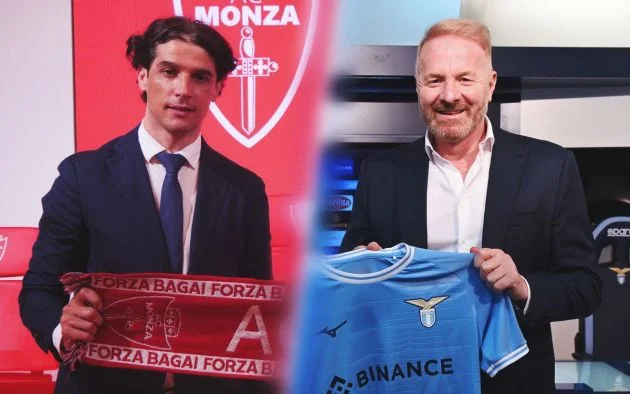
François-Joseph Modesto has started to gain traction as a candidate who could fill a leadership role at Milan. Currently the technical director at Monza, Modesto brings a strategic vision that seems to resonate with the ambitions of RedBird Capital, the investment firm owning Milan. His tenure at Olympiacos showcases his capacity to operate successfully within competitive environments. If appointed, Modesto could bring a fresh perspective, leveraging his extensive experience in international markets. Moncada's advocacy for Modesto adds weight to this candidacy; shared heritage could foster a collaborative atmosphere that's essential for the club's next chapter. Milan can’t afford another misstep in leadership since the stakes are higher now than ever, with the team keen to return to its former glory.
Tare’s Potential Impact
Igli Tare, who recently departed Lazio after an 18-year tenure, represents a noteworthy potential addition to Milan's new hierarchy. Tare's extensive experience in Serie A positions him well for a role in Milan's operations. His history suggests he can navigate the complex dynamics of Italian football and identify talent that could bolster Milan’s squad. Tare has worked closely with current head coach Stefano Pioli, providing a level of continuity that could be beneficial as Milan transitions through this turbulent phase. Collaborating with someone like Pioli may allow Tare to facilitate the acquisition of key players who can make an immediate impact—like Sergej Milinkovic-Savic, a name that’s often floated in discussions of potential signings. Tare's familiarity with current players and coaches could enhance both recruitment and integration practices at the club.
Dual Leadership Scenario
Another layer in this evolving narrative is the possibility of a dual leadership arrangement where both Modesto and Tare could serve as technical director and sporting director, respectively. Such a structure allows Moncada to maintain his position while closely collaborating on a unified transfer strategy. This is more significant than it looks; it could help overcome the deficiencies that have plagued Milan this past season. If both Modesto and Tare come onboard, they can ensure a more coordinated effort in scouting and acquisition efforts, something that's essential in today's fast-paced football environment. The notion of dual leadership also presents a flexible approach to decision-making. By having two individuals fill key roles, Milan can balance expertise and eliminate the bottlenecks that often come with centralized power. But can this arrangement finally put an end to conflicts that have crippled the club in recent years? Time will tell.
Implications for AC Milan's Future
The leadership shake-up at AC Milan raises critical questions about the club’s direction. If these potential appointments—Moncada, Modesto, and Tare—are executed, they could symbolize a significant pivot in how Milan conducts its business. The club has often relied on personal loyalties and historical ties over strategic foresight. However, as the football world evolves, prioritizing data-driven recruitment combined with keen insights from experienced personnel is increasingly vital. What this means for you—if you're working in this space, whether as a fan, a player, or a potential recruit—is that Milan might finally be laying the groundwork for a sustainable and competitive future. Of course, there’s skepticism about how quickly these changes can take effect. Given the club's recent tumult, supporters will hope that this new direction takes root without delay. The immediate tasks are clear: stabilize the squad, plan for future transfers, and heal the rifts that have become all too public. Milan's storied history puts pressure on its management; failures aren't easily forgotten. But in this complex web of leadership change, the potential for revitalization is there—if handled correctly.


Discussion
Sign in to join the discussion.