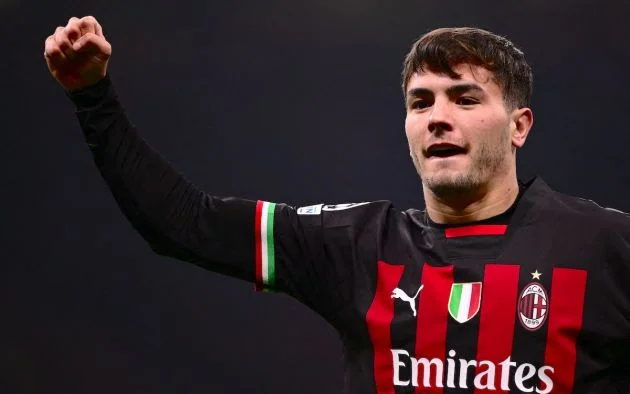
AC Milan is prioritizing Brahim Diaz for the future, engaging in new negotiations with Real Madrid while aiming to reduce the transfer fee.
AC Milan's Strategic Pursuit of Brahim Diaz
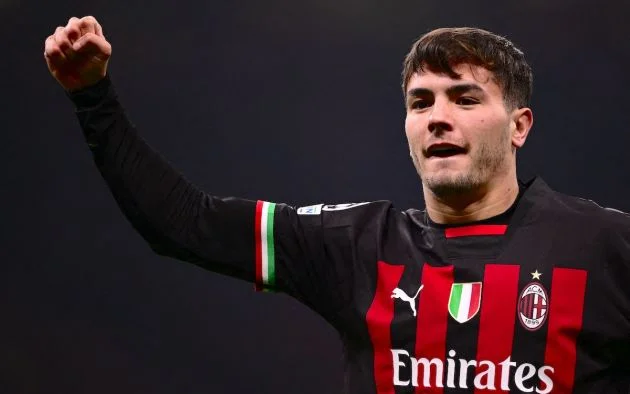
AC Milan is seizing a pivotal opportunity to secure Brahim Diaz as they look to build a competitive team for the upcoming seasons. The Spanish midfielder's impressive performance in the latter part of the previous season caught Milan's attention, and they’re now in direct negotiations with Real Madrid, hoping to lower the financial barriers to make this player a permanent addition. This move signals a shift in Milan's strategy, pivoting toward targeted acquisitions that can contribute immediate value.
Diaz’s loan, which is set to conclude this summer, gives Milan a narrow window to capitalize on his talents. His development during the loan spell has made him a central figure in Milan’s plans, prompting them to prioritize negotiations over other potential targets, such as Houssem Aouar, a player they also considered. The decision underscores Milan's commitment to not only improving their squad but also investing in players who have already demonstrated their compatibility with the team's play style.
Understanding the Financial Mechanics
The financial intricacies of this deal are perhaps the most critical aspect. Milan reportedly holds a buy-out clause of €22 million for Diaz. However, Real Madrid’s retention of a buy-back option at €27 million complicates matters. Such mechanisms are common in football transfers, allowing clubs to maintain influence over players they have previously developed. But this also puts pressure on AC Milan to negotiate effectively, as they aim to reduce the initial asking price to around €15 million.
This negotiation tactic isn’t merely about haggling; it reflects a strategic decision-making process where clubs assess the player's market value versus their financial health. Real Madrid, traditionally a power player in transfer negotiations, may resist lowering the buy-out clause significantly. Milan’s challenge, therefore, lies in presenting a compelling case that balances Diaz's development trajectory, his recent form, and their own financial constraints.
What this means for you—if you're engaged with the commercial side of football—is that anxiety over inflated transfer fees is leading clubs to innovative negotiation strategies. They now seek to incorporate performance-based clauses or structured payment agreements, which could allow teams to manage their cash flow better.
Potential Structures of the Deal
There are multiple avenues for structuring the deal, which could be either a straightforward purchase or a structured loan agreement leading to an obligation to buy at a later date. If Milan chooses the loan route, discussions might focus on setting conditions that favor both clubs in the long term. For instance, a loan deal may see Milan pay a nominal fee up front, with further payments contingent on performance milestones or Diaz's contribution to the team.
This approach would ease immediate financial burdens for Milan while keeping them in contention for a promising player’s services. Clubs frequently implement such structures to maintain flexibility in their financial planning. Furthermore, as financial fair play considerations loom large in the footballing landscape, it’s imperative for clubs like Milan to tread carefully.
Optimism Around Brahim Diaz’s Future
Signals of optimism are strong. Diaz himself reportedly desires to remain at Milan, which adds a layer of urgency to the negotiations. Player willingness can sometimes tip the scales in negotiations, pushing clubs to align more closely on financial terms. It’s an element that often goes overlooked. This eagerness to stay could make Real Madrid reconsider their position, especially if they recognize that Diaz could thrive in a setting where he feels valued and significant.
For fans and analysts alike, the question remains whether AC Milan can match the expectations surrounding this young talent. His performance in the latter half of the season indicates that he has the potential to deliver significant returns on investment. As such, while Milan pushes for more favorable terms, Real Madrid must weigh the long-term benefits of retaining Diaz against letting him leave for what could be perceived as below market value.
Implications for AC Milan and the Transfer Market
The implications of this scenario extend beyond just AC Milan and Brahim Diaz. It illustrates a broader trend in football where clubs are becoming increasingly savvy about player acquisitions and financial management. This shift is particularly relevant in a climate where sponsorships fluctuate and traditional revenue streams are impacted by unforeseen global challenges.
As clubs increasingly find themselves in the crosshairs of financial scrutiny, they may turn to similar renegotiation strategies to manage budgets while building competitive teams. Agencies and players might also find themselves needing to adapt. You could see agents advocating for flexible deals that include "return clauses," where clubs can reacquire their players in the future if they outshine expectations at their new clubs.
AC Milan's approach to Diaz sends a signal to other clubs in Europe's top leagues: navigating the modern transfer market requires not just foresight but also creative negotiation skills. So, what’s the future hold? If this deal goes through, expect a ripple effect, prompting clubs to reconsider how they value talent and negotiate terms. The stakes are ramping up, and AC Milan stands at the forefront.
Discussion
Sign in to join the discussion.