AC Milan aims to recruit a promising young left-back as Fode Ballo-Toure's exit looms, while facilitating squad adjustments for the future.
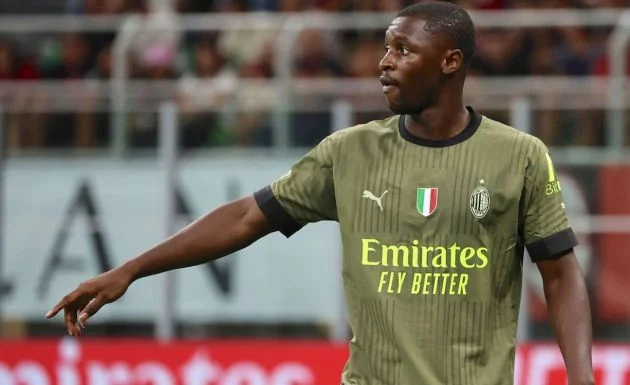
AC Milan is setting its sights on strategic squad enhancements for next season, focusing on recruiting a young left-back.
Current Squad Dynamics and Player Performance
Reports from SempreMilan.it suggest that Paolo Maldini and Ricky Massara are actively considering changes in preparation for the summer transfer window. This period is often marked by a flurry of activity as teams reassess their rosters. Milan is no exception. In the past seasons, the club has taken an analytical approach to building its squad, identifying not just immediate strengths, but also potential vulnerabilities. The left-back position, in particular, has been a significant point of discussion among fans and analysts alike. Current options haven't consistently met expectations, leading to the recognition that new blood is needed for the upcoming season.
Milan's interest in a young left-back in part stems from an eye toward the future. Football analytics have shown that younger players often bring energy and potential that experienced players sometimes lack. They can also be more adaptable, learning quickly under seasoned professionals. This strategy mirrors what several top clubs within Europe have done, scouting budding talent that can integrate smoothly into a system while also allowing larger stars to mentor them.
Evaluating Fodé Ballo-Touré's Tenure
Fodé Ballo-Toure’s position appears increasingly vulnerable. Aside from a brief standout performance with Empoli, his time at Milan has been underwhelming. Since his arrival, he appeared to struggle with consistency and hasn’t always shown the defensive solidity expected from a player of his caliber. As the season unfolds, many fans and pundits have begun to question whether he fits into Milan’s long-term vision.
Club management faces a common dilemma in professional sports: holding onto a player who hasn’t truly thrived while recognizing the need for improvement. With Ballo-Toure, this seems to be the case. The club might find that selling him could unlock funds necessary for new acquisitions — a strategy not unusual in football when teams look to revamp their squads. Similar cases in the past have often led to prosperous transfers and a stronger team dynamic.
Potential Targets and Future Additions
If Ballo-Toure departs, Milan seems poised to target a left-back with significant potential. This new addition would ideally develop under the experienced Theo Hernandez. He has firmly established himself as the first-choice left-back, showcasing his skills and earning the trust of coaches and fans alike. Hernandez's presence not only solidifies the left flank defensively but also adds creativity to the attack, contributing innovative plays and assists.
Bringing in a younger left-back gives Milan an opportunity to cultivate talent that will align well with their tactical ideology. Young players can absorb tactical lessons and make crucial contributions in the manner we’ve seen with rising stars across Europe. What this means for you, as a fan or stakeholder, is that the club is thinking long-term; they’re looking to develop players who can grow into critical roles rather than strictly filling immediate needs. In this age of high-stakes football, having a pipeline of accessible talent has proven invaluable.
Implications and Industry Context
The implications of this potential transfer are digestible at two levels: immediate performance and long-term vision. By letting go of Ballo-Toure, Milan might be signaling a larger strategy aimed at optimizing financial resources while also shedding players who don’t fit their competitive ambitions. This decision could pave the way for more strategic investments in upcoming transfers that align closer with the club's objectives. Think of the potential English Premier League model, where clubs strategically invest in younger players, building teams that dominate for years.
On a broader scale, Milan's strategy to pursue a young deputy for Hernandez reflects a trend within European football. Many clubs are shifting from short-term fixes to fostering young talent who can contribute to sustained success. This approach not only enhances competitive performance but also strengthens the brand recognition of clubs that develop their own players. Young players often become fan-favorites and create stories that resonate deeply with the supporters, fostering loyalty and eliciting a robust following.
And yet, the question remains: will Milan's leadership remain patient enough in developing this talent? The pressure to perform in a top league can lead clubs to abandon long-term plans for quick-fix solutions. If they can resist that urge, the potential rewards could be transformative.
Looking Ahead: AC Milan's Future
As the summer transfer window approaches, the choices Milan makes could dictate not only the immediate season but also set a challenging course for the future. If they pursue the right young left-back and successfully integrate him into their squad, their long-term prospects brighten significantly. The history of similar transitions in football has shown that successful youth players can become the backbone of a club over the course of many seasons.
As a club with a rich legacy, AC Milan is expected to balance between honoring its storied history and investing in the future. Later decisions will be scrutinized closely by experts and fans alike, and every choice will carry significant weight in shaping the squad that represents the legendary red and black colors. With anticipation building for this pivotal period, there's more to watch than just the players currently on the pitch. History will judge how well Milan navigates these complex waters.


The post SM: Milan searching for a young deputy to Theo Hernandez with Ballo-Toure sale likely appeared first on SempreMilan.
Discussion
Sign in to join the discussion.