Neil Pierre, an 18-year-old center back for the Philadelphia Union, is emerging as a top prospect for the US men's national team after excelling in soccer.
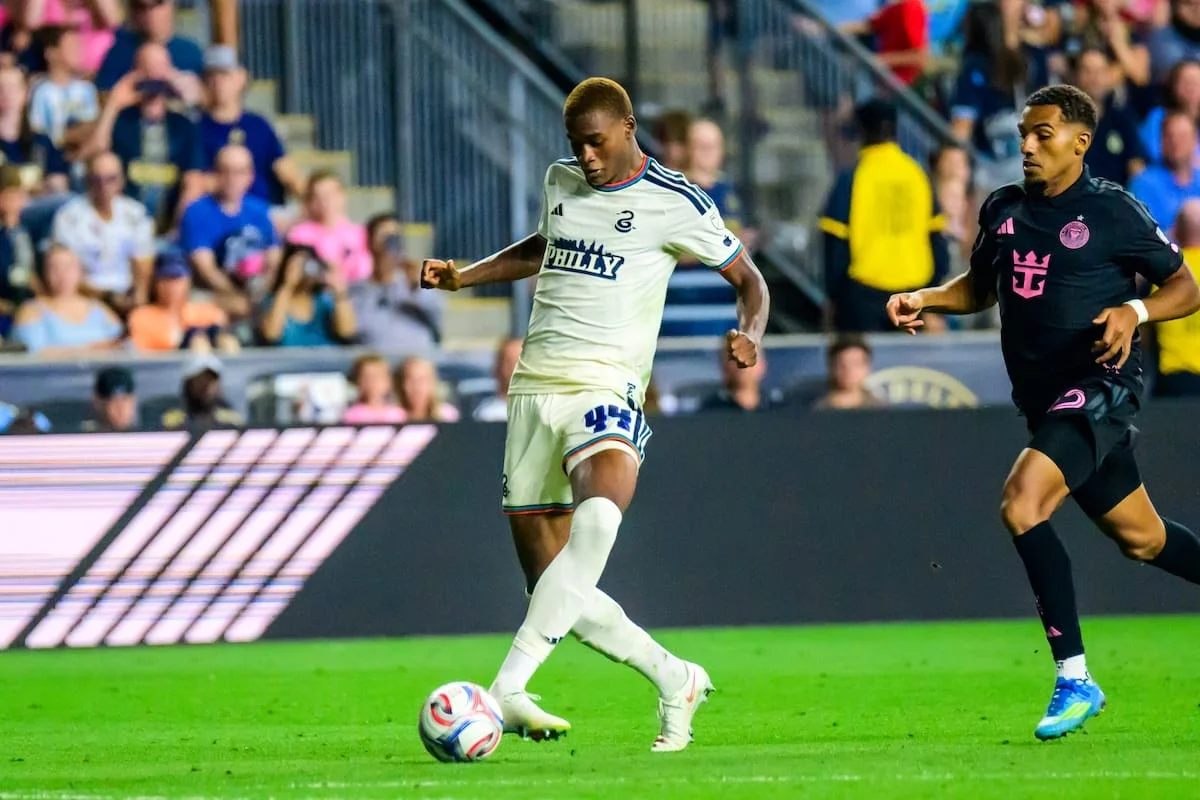
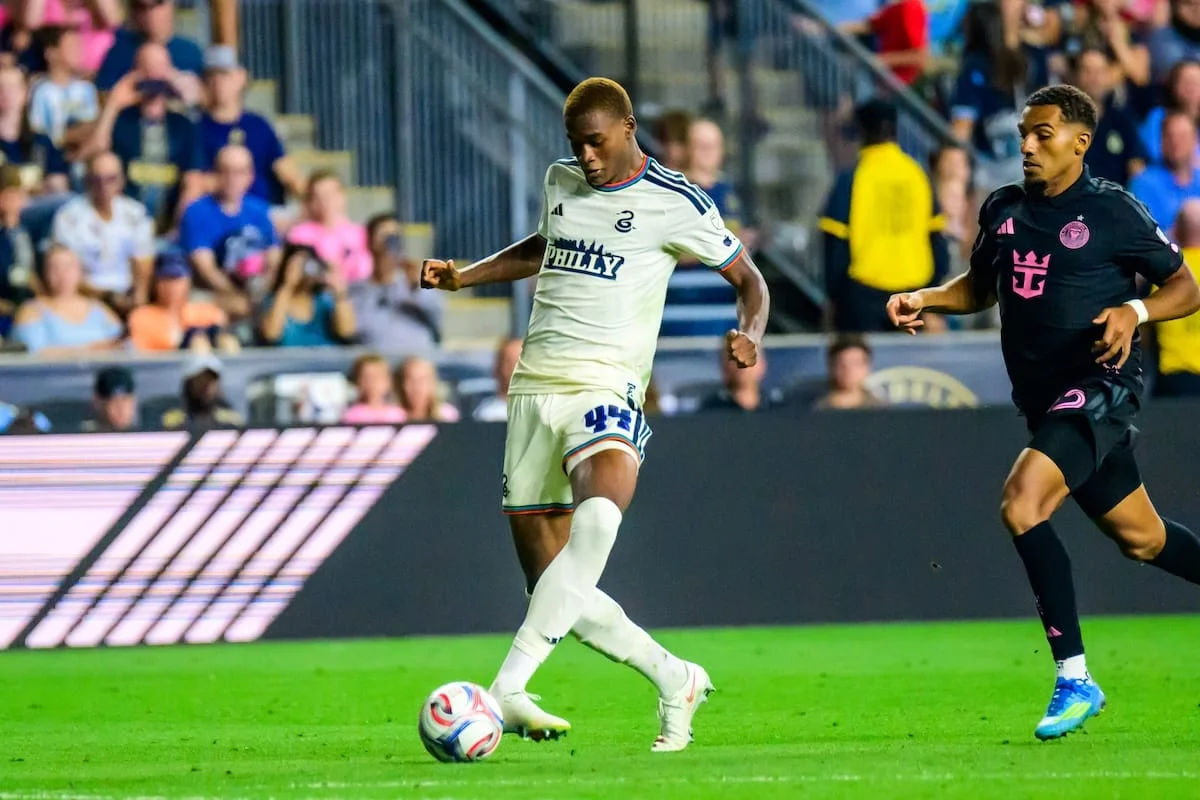
Standing at an impressive 6'7", Neil Pierre often gets asked if he plays basketball, a natural assumption given his height. However, the 18-year-old center back for the Philadelphia Union found his passion in soccer, inspired by his brother's journey in the sport. “Every time, randoms ask me, 'You play basketball? You definitely play basketball, right?' All the time,” Neil remarked in an interview with Backheeled.
This observation isn’t just amusing; it highlights how height can stereotype athletes, especially in sports alternatives. The question's frequency hints at a broader cultural perception, where basketball dominates the narrative for tall individuals in the U.S. But for Neil, soccer has become his true calling—one that could lead him far in his career.
A Shift in Focus to Soccer
Though he pursued basketball in his younger years, Neil shifted focus to soccer around age 11, joining the Philadelphia Union academy. This decision set the stage for a promising career. His brother, Nelson, who is also a professional soccer player, became a significant influence on his development. Families often play a pivotal role in shaping an athlete's path, and for Neil, that influence was profound.
Growing up, basketball was likely the more socially acceptable choice for someone of his height, but it was soccer that captured his heart. The decision to switch sports wasn’t just about personal interest; it was also about strategy. The U.S. soccer scene has been known for its vibrant youth development programs, especially in major markets like Philadelphia. Joining the Union's academy represented not just an opportunity, but a calculated step toward a professional mindset.
A Smooth Rise, Then a New Challenge
Neil’s soccer upbringing was bolstered by a family immersed in the sport—his father played at the collegiate level, and his older brother fueled his ambition. Their competitive dynamics often pushed him beyond his comfort zone: “I was usually the more relaxed one. But then [Nelson] would always get on me... my dad would say, 'You’re going to let him outwork you?' That pushed me to do way more,” Neil expressed.
Such family dynamics offer valuable insight into Neil’s work ethic and mental fortitude, both important attributes for any athlete aiming for a successful career. The influence of his father’s collegiate experience likely served as a benchmark. For young athletes, having someone who has faced similar challenges can be the differentiating factor between those who make it professionally and those who don’t.
Born to Haitian parents, the Pierre family relocated from Westbury, New York, to Hershey, Pennsylvania, to give their children better opportunities in soccer. Eventually, they moved to Blue Bell to be near the Union academy, aligning with Nelson's professional aspirations. This type of parental support, especially in sports, often signifies a family’s commitment to maximizing their children’s potentials. Such calculated moves might seem extreme, yet they're becoming more commonplace in the competitive world of youth sports.
Following in his brother's footsteps, Neil transitioned from his only youth club, Super Nova FC, into the academy, where he often found himself as the youngest player in his group by a significant margin. Being the youngest can be daunting, but it also means he’s getting exposure that many of his peers miss out on. In elite sports environments, being tested against older and more experienced players can accelerate development.
The Coaching Impact
Under the guidance of Ryan Richter, a former Union draft pick now serving as the interim head coach, Neil has emerged as a key player for the team following the World Cup break. Having a coach who understands the journey from a player’s perspective can make all the difference. Richter’s experiences likely resonate with Neil, offering a level of relatability that could be invaluable for his growth.
Neil's ascent coinciding with a coaching change signals an interesting dynamic, particularly in a league often characterized by short coaching tenures. Stability in coaching, especially during a transition, is vital for nurturing young talent. In many cases, new coaches bring different philosophies that can either sink or elevate player performance. In this instance, it appears Neil is thriving under Richter’s influence, possibly setting the stage for more impactful moments on the pitch.
Looking to the Future: Implications and Significance
As the U.S. men's national team looks for its next star, Neil Pierre could very well be that player—bringing both talent and a unique background to the pitch. The narrative surrounding young, homegrown talents is pivotal for the evolving U.S. soccer identity. If you're working in this space, you'll recognize that the national team is at a crossroads. The emergence of young, skilled players like Neil reflects a promising trend.
The significance of Neil’s rise reaches beyond his own career. It signals a shift toward valuing homegrown talents who exemplify skill development and cultural backgrounds that enrich the sport. In Italy or Brazil, the idea of nurturing young players from diverse backgrounds is fully integrated into the sporting fabric, and perhaps, the U.S. is beginning to embrace that same ethos.
What this means for you—whether you're a fan, a coach, or a budding player—is that the future of U.S. soccer is being constructed on the shoulders of young talents. We’re looking at a landscape where the next big stars are not just seen on highlight reels, but are also representative of a broader narrative that connects communities, families, and aspirations within the sport. The shift toward homegrown stars like Neil signals a potential renaissance in American soccer, one that could finally align it with other successful soccer nations.
Discussion
Sign in to join the discussion.