Chelsea is preparing to host Bournemouth with up to 13 players potentially unavailable, while Bournemouth confirms six absences ahead of the match.
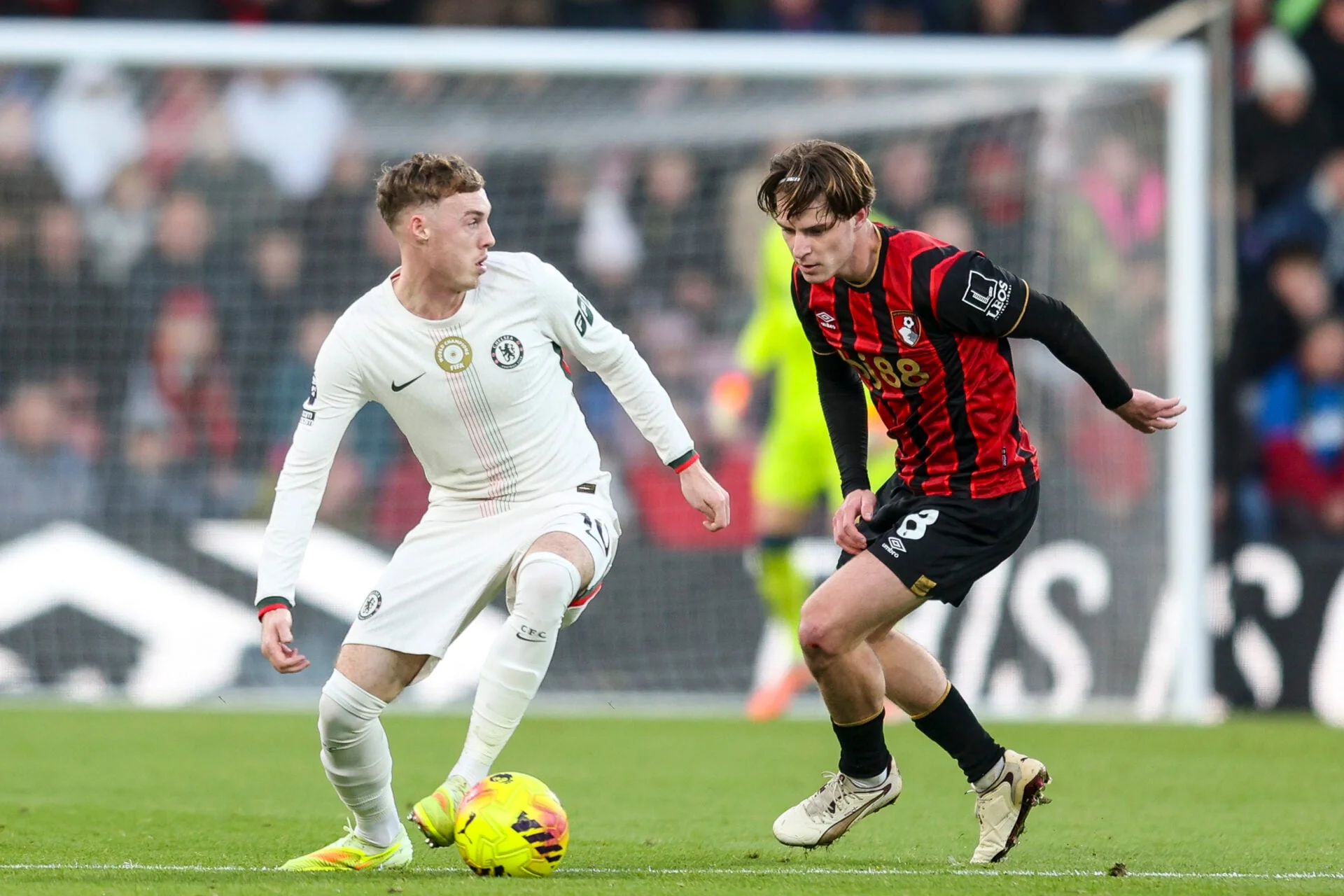
As Chelsea gears up to welcome Bournemouth to Stamford Bridge, the team could be missing as many as 13 players, including Alex Scott who has sustained an injury.
The international break is officially concluding, allowing players to return to their respective clubs. However, many have been involved in extensive international fixtures over the past three weeks, complicating the preparation for the upcoming match.
Meanwhile, Chelsea’s medical staff is focused on bringing back key players like Cole Palmer, Joao Pedro, Reece James, Marco Palestra, and Moises Caicedo in time for Saturday's clash.
Potential Absences for Chelsea Against Bournemouth
Chelsea supporters may find a silver lining in the news regarding their transfer target, Alex Scott, who is ruled out with a quadricep injury sustained during his game against Croatia. The talented player is expected to be sidelined until early December, missing a crucial opportunity to showcase his skills.
Scott's injury isn't just a loss for Chelsea; it may have broader implications for the club's plans as they eye January transfer targets. Given Scott's status as a sought-after player, this absence could alter the dynamics of their strategy. Instead of rushing to integrate him into the team, Chelsea now has a chance to reassess their midfield options without his immediate presence causing any distractions—an opportunity to make the best of a challenging situation.
Alongside Scott, Bournemouth has its own injury woes, with six players out of contention including Justin Kluivert (tendon) and Eli Junior Kroupi (ankle). Other missing players include Julian Araujo, Amine Adli, and Veljko Milosavljevic. That said, injuries are a part of the game that most teams contend with, but the sheer number during this period is alarming and raises questions about fitness management across leagues.
Selection Challenges for Xabi Alonso
In contrast to Bournemouth's situation, Chelsea’s player availability remains somewhat uncertain. Jamie Gittens is anticipated to miss the match; he was seen on crutches after his participation with the England U21 team. These injuries can throw a wrench into even the best-laid plans, affecting not just team composition but also morale.
Fortunately, the club has welcomed back several players who were injured before the break. Cole Palmer, Reece James, and Marco Palestra have resumed training and are likely to feature against Bournemouth, along with Moises Caicedo. Palmer and James are significant to Chelsea’s attacking strategies; having them back will give the team a competitive edge that it critically needs in this match.
If you’re working in this space, understanding the psychological aspect of these returns can be just as important as the tactical ones. Players often need time to find their form post-injury, and that can take longer than just a few training sessions. And this is the part most people overlook: mental readiness can be as vital as physical fitness in high-stakes matches.
New signing Emmanuel Emegha is also anticipated to make his debut, while Joao Pedro's return from a knee injury may still be weeks away, potentially sidelining him until the end of October. For Chelsea, the concern now is not just about missing players; it's about integrating fresh talent effectively and ensuring that substitutes can contribute meaningfully when called upon.
Implications for Chelsea and Bournemouth
This upcoming match isn't just important for the standings; it carries weight for both teams in terms of team dynamics and morale. Chelsea, with its high expectations, will need to navigate its many injuries carefully. Missing key players, especially in crucial positions, can lead to a breakdown in cohesion on the pitch. The team might have to rely on depth players who lack the experience of the injured stars.
Bournemouth, on the other hand, faces its own set of challenges but may find breathing room if they can capitalize on Chelsea's instability. The club must recover quickly from its own injury setbacks to field a competitive team, lessening the burden on those still on the sidelines. Drawing on the experiences of players who've dealt with injury adversity in the past could provide some inspiration and tactical insight during this period.
In terms of future outlook, both clubs will need to closely monitor player fitness and team cohesion going into the busy season ahead. Strategies that prioritize not just the immediate game but also long-term player health will be vital in the coming weeks, especially with packed schedules looming. This shift in focus can impact signings, training methodologies, and even how clubs approach their mental conditioning programs.
The consequences of this weekend's match extend beyond mere points on the board; they could shape the trajectory of the season for both Chelsea and Bournemouth. Failure to adapt in this challenging environment may push these teams into an uphill battle for the remainder of the campaign. A critical juncture indeed.

Discussion
Sign in to join the discussion.