Red Bull New York evolves under Michael Bradley, shifting tactics for improved performance after a rocky start in the MLS season.
Every week during the MLS season, Backheeled focuses on the major Winners and Losers throughout the league. Let’s dive in!
Winner: Michael Bradley and Red Bull New York
Red Bull New York kicked off their season mired in disappointment. Early games showed the team struggling not just with metrics, but visually; they played like a plane in a dive, lacking direction and purpose. The Red Bulls' initial strategy appeared promising, marked by a flashy style that players seemed to enjoy, but did it translate to results? Not so much.
In February, Michael Bradley's leadership led to a transformation, introducing a thrilling 4-3-3 formation. This setup showcased aggressive fullbacks and center-backs brave enough to carry the ball into the midfield. However, excitement doesn’t automatically lead to success. In fact, it glossed over critical defensive weaknesses, as evidenced by their ranking of 27th in expected goals (xG) allowed per match, according to statistics from American Soccer Analysis. Any coach knows that an entertaining style can only take you so far if it fails to deliver points on the board.
Bradley's vision for success faced significant hurdles. His squad was riddled with inconsistencies, and their early matches were marred by a disregard for defensive responsibilities. If you were to assess the season by performance, you'd see a dire need for reinforcements, particularly on the defensive end. The issues were so pronounced that Bradley questioned whether the necessary rebuild might span five transfer windows. And yet, in the face of these challenges, Bradley's attempts to maximize the available talent—men like Adri Mehmeti, Julian Hall, and Matthew Dos Santos—showed a commendable commitment to his project.
However, the situation soon escalated. A defensive sieve turned what could have been a strategic offensive advantage into a glaring liability. Simply put, their attack didn’t have the firepower to compensate for their porous defense, which inevitably led to a string of disappointing outcomes. The team's struggles were evident in their inability to maintain a solid defense while building an effective offensive strategy.
So, what did Bradley do next? Recognizing the deficits in his roster, he recalibrated his tactical approach, introducing fresh faces and a renewed focus on discipline. The promotion of players like Dylan Nealis and Devin Padelford at fullback was a significant shift, moving away from earlier selections that lacked defensive acumen. This was a calculated bet: by stabilizing the backline, Bradley aimed to create a safer platform from which the Red Bulls could launch their attacks. The addition of Colombian center back Julian Bazan also proved integral; he quickly solidified his place in the squad, being recognized on various platforms as one to watch.
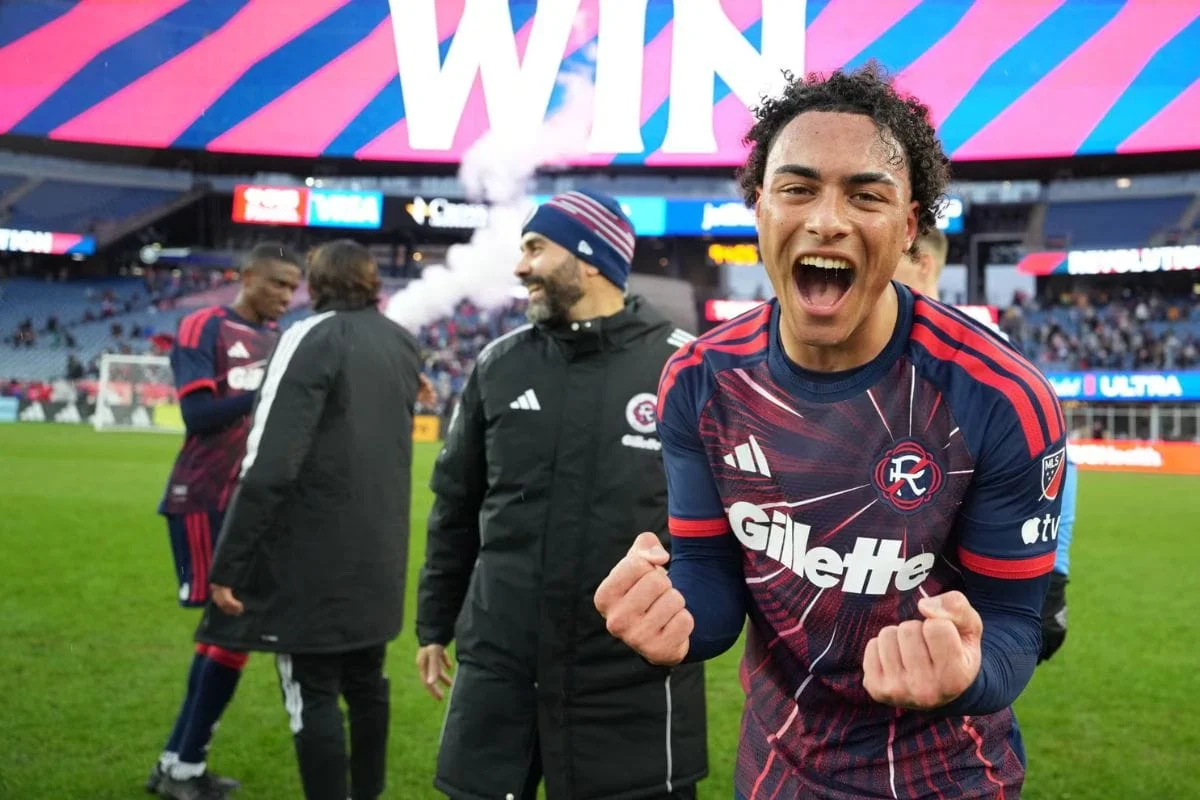
As a result of these strategic alterations, the team displayed an emerging resilience, which became apparent during their last four matches. They managed to rattle off three wins, including a resounding 4-1 victory against San Diego FC. Even in a matchup against St. Louis City, they held their own despite being short-handed. This newfound grit suggests that Bradley's approach is beginning to pay dividends, leading to improved performances on the field.
Implications and Future Outlook
This transformation is more significant than it looks. Historically, teams that can’t strike the right balance between attack and defense often find themselves in a spiral of underperformance. Red Bull New York's defensive vulnerabilities were a ticking time bomb, but Bradley's adjustments appear to defuse this precarious situation—at least for now. They’ve figured out how to play tough, which bodes well for the remainder of the season.
If you're working in this space—whether as a coach, analyst, or fan—what this means for you is a case study in adaptability and resilience. Bradley exemplifies that a coach's willingness to rethink strategies mid-season can salvage a campaign. The evolution of this Red Bull team shows that even the most flawed structures can find a path to improvement.
Apart from immediate performances, there's a broader lesson here regarding roster management and team consistency. Bradley's acknowledgment of early-season deficiencies mirrors similar shifts seen in other teams that have had to navigate transitions with limited asset availability. This type of strategic thinking should resonate across leagues, illustrating that collective effort often outweighs individual brilliance.
This season won't define Red Bull New York, but it serves as a critical stepping stone in their journey. If they can maintain this trajectory and bolster their roster as needed, they could emerge as a competitive force in MLS moving forward. Here’s the thing: squads evolve, and so will their systems and strategies. The true test lies in whether this resilience can hold up week after week, especially as the stakes get higher.

Discussion
Sign in to join the discussion.