Explore how MLS chief soccer officers rank based on their success in signing Designated Players, highlighting key metrics and top performers.
In Major League Soccer (MLS), success isn't just about winning matches; it’s also about how Chief Soccer Officers (CSOs) build competitive teams over time. While trophies might be the most visible reward, behind-the-scenes work influences a club's long-term viability — nurturing homegrown talent, managing player transitions effectively, and budgeting responsibly. Of all these responsibilities, the recruitment of Designated Players (DPs) presents a unique opportunity because these signings come without a strict salary cap, allowing teams to invest in high-impact players who can potentially alter their fortunes.
This analysis takes a close look at every DP signing made by the league’s current CSOs. By establishing a framework to rank their effectiveness, it sheds light on the strategies and success rates of various executives. Understanding how CSOs approach these crucial signings provides valuable insight into which executives consistently perform well under pressure while contributing meaningfully to their teams' successes.
Evaluation Methodology
The foundation of this evaluation consists of rigorous performance data collected from the past five seasons, focusing on players who have logged over 600 minutes each year. Ensuring a fair assessment of CSOs, each was required to have made at least two DP signings that met these criteria. This approach guarantees a more reliable comparison across various executives, rather than relying on sporadic or less impactful signings.
Several key performance metrics were selected for analysis:
- Goal added (g+), which reflects a player’s contributions to possession
- Combined expected goals and expected assists (xG + xA)
- Total goals and assists (G + A)
- Above benchmark (AB), gauging DP contributions against the performance of the top 100 non-DP players
The AB metric stands out in its capacity to provide context. By comparing DPs to high-performing non-DP players, it establishes a clear benchmark. For example, if a player exceeds the benchmark in four out of five seasons, they achieve an "above benchmark" status 80% of the time. This differentiation is vital for assessing the true value DPs contribute to their respective teams, setting a standard that goes beyond mere statistics.
Ranking the Top CSOs
It's essential to recognize that securing DPs often doesn't fall solely on the shoulders of CSOs. Multiple layers of decision-makers, from team owners to lower-level executives who handle contract negotiations, can influence these high-stakes acquisitions. That said, the rankings presented here offer deeper context while acknowledging the interconnected nature of team leadership.
Best in Class
John Thorrington, LAFC | 0.33 g+, 0.58 xG+xA, 0.64 G+A, 81.82% AB
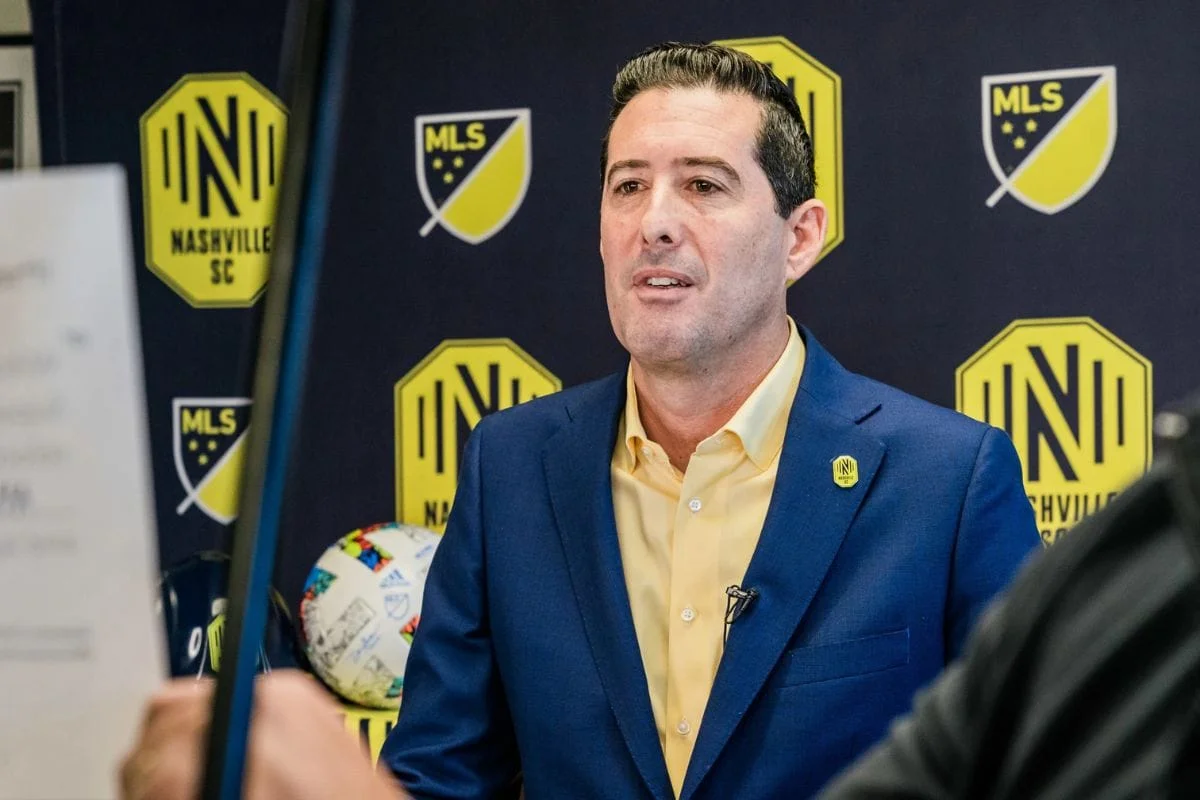
Mike Jacobs, Nashville SC | 0.28 g+, 0.56 xG+xA, 0.58 G+A, 81.43% AB
Among the standout performers in this analysis are John Thorrington of LAFC and Mike Jacobs of Nashville SC. Both executives have demonstrated remarkable skill at attracting high-caliber players and making shrewd signings that can reshape their franchises. Their success is not merely anecdotal but measurable through the metrics outlined earlier.
Thorrington’s knack for acquiring elite talent is not just about numbers; it’s about understanding the impact each player can have on the structure and morale of the team. His track record includes DPs like Carlos Vela and Denis Bouanga, both of whom are viewed as some of the league's most impactful signings. Though he has made fewer successful moves with players such as Olivier Giroud, his ability to secure influential contributors like Cengiz Under illustrates why he ranks at the top of this list.
Jacobs mirrors this success in his capacity to identify promising players and integrate them into a cohesive unit. His work is key as MLS continues to position itself within a competitive global soccer market, where the value of astute player acquisitions cannot be overstated.
Giving credence to the vital role of DPs in shaping competitive teams within MLS, these rankings reveal insights into which executives have thrived amidst the complexities of player acquisition. The landscape of the league is altering rapidly, and it raises important questions: how will these top performers adapt to the changing dynamics of player recruitment? With increased scrutiny and competition, the future will undoubtedly test their abilities.
Implications and Future Outlook
A strong DP recruitment strategy can indeed set a team apart, but the pressure on CSOs to deliver is intensifying. Clubs are investing not just in players but in data analytics and scouting technologies. If you’re working in this space, it’s essential to recognize that the stakes aren’t just high for the clubs but for the players as well. Contracts are longer, and the expectations attached to DPs are mounting.
As we assess the success of CSOs, the evaluation framework will also need to evolve, particularly as MLS aims to compete on a global scale. The best CSOs won't just focus on immediate impact but will embrace strategies fostering long-term sustainability, like developing younger talent alongside high-profile acquisitions. In this context, the implications of these rankings extend beyond individual executives and highlight how strategic decisions can have resonating effects across the league.
To sum up, the interplay between analysis, strategy, and execution will significantly determine the future of MLS and the efficacy of its executives. The decisions made today will resonate through the following seasons, affecting not only club success but also the league's overall growth.


Discussion
Sign in to join the discussion.