Estevao makes Brazil’s squad despite limited Chelsea minutes, while the injured Joao Pedro misses November friendlies and targets a return after the break.
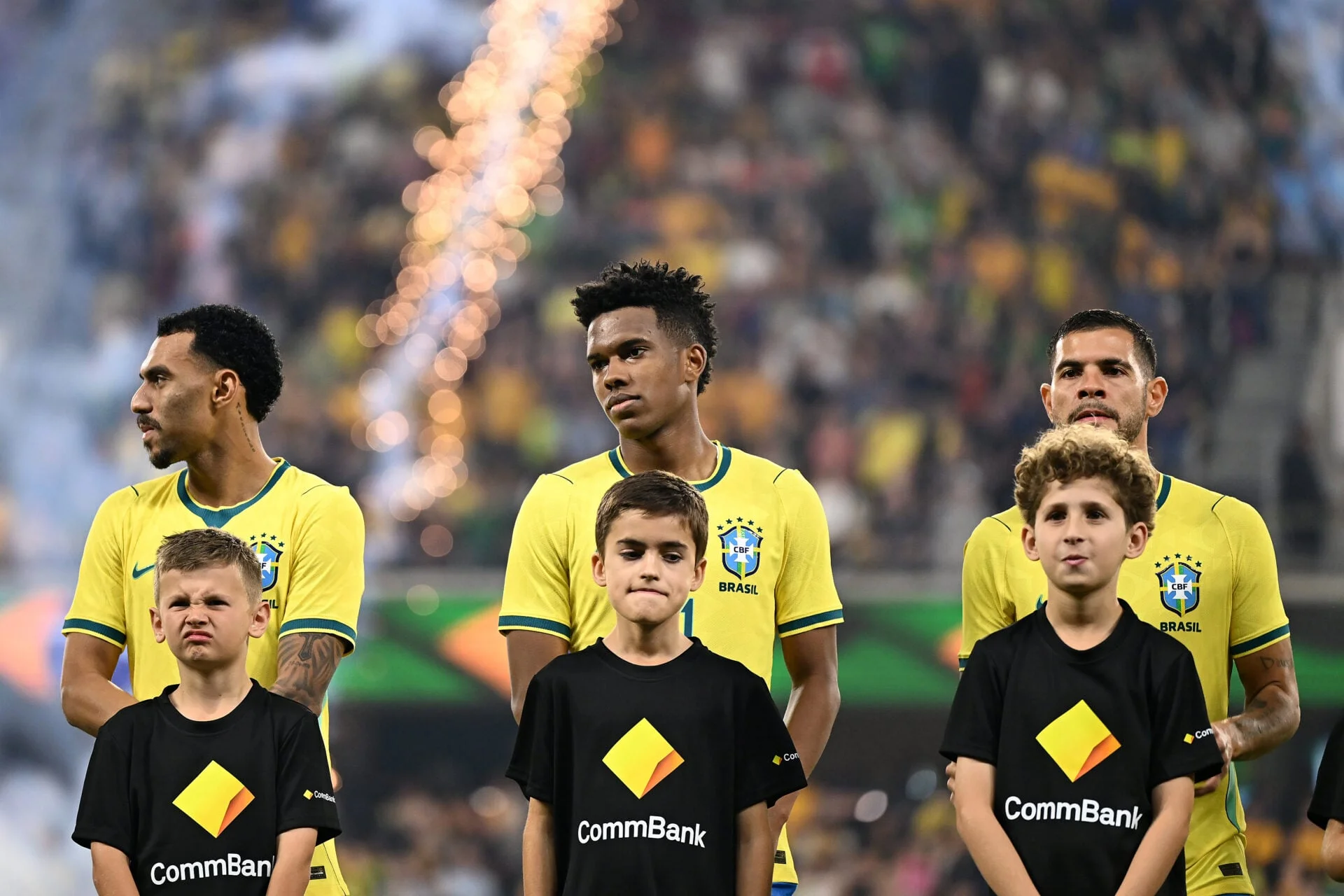
Carlo Ancelotti’s Brazil selection gives Estevao another chance to play while Chelsea striker Joao Pedro stays home to recover from injury. The contrast is useful for Chelsea: Estevao has had little action at club level, while Pedro has missed recent matches with a thigh problem. One player needs minutes; the other needs time to get fit.
Estevao selected as Pedro recovers
Brazil will play two friendlies during the November break, starting against Japan at the National Stadium on November 14. The team will then face Indonesia, managed by former Canada and Toronto coach John Herdman. Ancelotti’s decision to include Estevao gives the winger a chance to build rhythm in match conditions, though selection alone doesn’t guarantee a substantial role.
For a young player whose club minutes have been limited, even a short appearance can offer a different kind of test: a new group, a different tactical setting and the pressure of representing Brazil. The value depends on what Ancelotti asks of him and how much time he gets. A call-up is an opportunity, not proof that his place at Chelsea is about to change.
Pedro was omitted after missing Chelsea’s games against Tottenham and Liverpool. Xabi Alonso has said the striker has a thigh injury and is expected to be out until after the international break. Pedro hopes to be fit for Chelsea’s match against Leeds United on November 21, but that target remains a hope rather than a confirmed return date.
That distinction matters for Chelsea’s planning. An international break can give an injured player time away from the demands of a match schedule, but recovery still depends on the injury and the player’s response. The club will need to judge Pedro’s readiness on his condition, not simply on the date he wants to return.
Brazil has given Estevao as many minutes as Chelsea
Estevao has played 172 minutes across eight Chelsea appearances, starting twice, both in the Carabao Cup. He was also left out of the starting lineup for Wednesday’s cup exit. The pattern points to a limited role so far, with his starts concentrated in a competition that has now ended for Chelsea. That leaves fewer obvious chances to build playing time in the same way.
His use has drawn criticism. Jamie O’Hara called the situation “upsetting” and urged him to leave, while Chelsea supporters have called for more opportunities. Those reactions reflect frustration with the gap between Estevao’s apparent potential and his current involvement, though they don’t settle the question of what role he should have. A young player’s development can depend on regular football, but a coach also has to weigh selection against the demands of each match.
For Brazil this season, Estevao has also logged 172 minutes, appearing in all three fixtures against India and Australia, including two matches against Australia. He scored and assisted in Brazil’s 4-0 win over India. The matching totals are striking, but minutes alone don’t tell the whole story: the level of opposition, the role he played and the demands placed on him may differ between club and country.
Still, the comparison is more significant than it looks. Brazil has provided a setting where Estevao has been involved across the fixtures described, while Chelsea have used him more sparingly. If you’re working in this space, that’s the tension to watch: international football can keep a player active, but it can’t by itself resolve a mismatch between a player’s need for minutes and his club’s selection decisions.
What the international break could change
Another spell with Brazil could give the winger useful playing time before he returns to Chelsea. If he comes back in form, Alonso may have a stronger case to give the former Palmeiras player a more regular role. That said, a good international window won’t compel a club manager to change course; Estevao’s work in training and the team’s needs will still shape his chances.
And this is the part most people overlook: the break presents two different tests for Chelsea. Estevao needs opportunities to show what he can do, while Pedro needs recovery time without pressure to meet an arbitrary deadline. One outcome is visible in match minutes; the other may be measured by whether Pedro can return ready to play.
For now, the selection offers a chance, not a guarantee. A few minutes. And Chelsea’s next decisions will show whether Estevao’s international involvement translates into a larger club role, while Pedro’s fitness will determine when he can rejoin the squad.



Discussion
Sign in to join the discussion.