Joao Pedro is expected to miss Chelsea’s next three matches before the international break, leaving him with four absences in total since his injury.
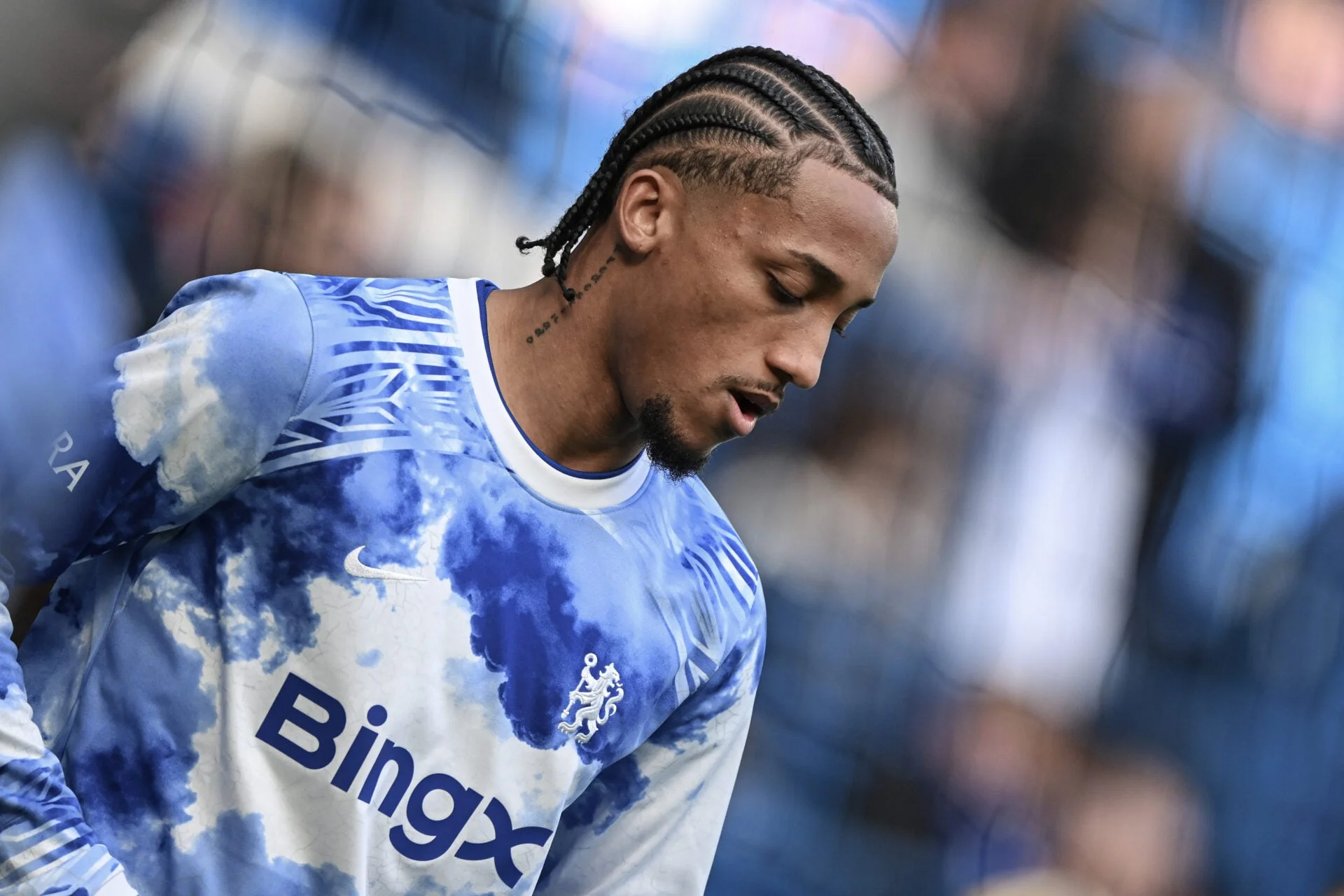
Pedro’s injury arrives at a difficult point
Joao Pedro’s injury leaves Chelsea without one of their most productive attackers during a demanding run of fixtures. Xabi Alonso says the Brazilian has a thigh problem and will be out for a few weeks; a report from Football London’s Bobby Vincent suggests he probably won’t return until after the next international break. That estimate matters because it turns a short-term injury into a selection problem across several demanding matches. Chelsea will have to plan around his absence without knowing from the source material exactly when he’ll be ready to play again.
That points to three more missed matches: Chelsea’s trip to Liverpool, Saturday’s home game against Manchester United and the away fixture against Sunderland. Pedro has already missed the loss to Tottenham, having last played against Everton. If he’s ready after the break, Leeds at Stamford Bridge could be his return target. That would make four consecutive absences. The sequence gives Chelsea a practical measure of the cost: Pedro could miss a stretch that includes different opponents and both home and away settings, while the club tries to maintain attacking output with other options.
Pedro had started the season in strong form for Chelsea, contributing to eight goals in six league games and winning the Premier League’s August Player of the Month award. Chelsea have lost to Brentford and Tottenham without him, scoring no goals and conceding five. Those results underline the gap his absence leaves, though two matches are too small a sample to settle how much of the difference comes down to one player. The useful distinction is between evidence of a meaningful contribution and proof that his presence alone would have changed those results. The former is clear from his early output; the latter isn’t established by this run.
His value may also show up in the way Chelsea build attacks, not just in the final goal or assist. A productive forward gives a side another route to turn possession into chances, and his absence can force teammates into different roles. The article doesn’t specify which tactical adjustments Alonso has made, so it’d be premature to claim that one particular change explains the scorelines. But the wider point is straightforward: when a team loses a player producing at that rate, replacements have to cover both the numbers and the work that leads to them.
A crowded injury list
Pedro is one of several absences affecting Alonso’s selection. Ahead of the Liverpool match, Chelsea were set to be without Emi Martinez, Reece James and Jamie Gittens through injury, while Cole Palmer was suspended. Pep Chavarria remained a doubt, and Emmanuel Emegha was back in the squad. The combination narrows the manager’s choices at a moment when Chelsea’s schedule offers little room to wait for the squad to settle. A suspension adds to the immediate selection pressure, even though it shouldn’t be counted as an injury.
The volume of injuries has made it harder for a new manager to build a settled side. Sky Sports’ injury tracker put Chelsea on 19 injuries so far this season, the fifth-highest total in the Premier League. Tottenham had the same number, while Aston Villa had 20 and Brighton 21. Hull City led the cited figures with 25, despite the season being only two months old. Those totals offer a snapshot of how many absences have been recorded, but they don’t tell us how long each player was unavailable, whether injuries overlapped, or how much each absence affected team selection.
That distinction matters. A tally can make the problem look uniform when clubs may be dealing with very different combinations of injuries, positions and recovery timelines. For a manager, several absences in one area can be more disruptive than the same number spread across the squad. The figures are still a useful warning sign: Chelsea have had to manage a substantial number of unavailable players early in the campaign. They just can’t, on their own, explain the cause or the sporting cost.
Several other players, including Moises Caicedo, Marco Palestra, Malo Gusto and Jordan Henderson, had also missed games through injury. Two of the four clubs above Chelsea in the injury tally, Brighton and Villa, were competing in Europe, but the figures alone don’t establish why each club has lost players or how much the totals will affect results. It’s a relevant comparison because competing across more fixtures can add demands to a season, but it doesn’t provide a complete explanation for any club’s injury record. Chelsea’s own list needs to be assessed on its particulars, not treated as proof of a single cause.
What Pedro’s absence means
Alonso’s immediate challenge is keeping Chelsea competitive while key players recover. Pedro’s goal contributions make his loss especially visible, but the broader injury count puts pressure on squad depth across several positions. His likely return after the break would give Chelsea a clear target for restoring one of their most influential attackers. That target is useful for planning, though the report describes a probable timeline rather than a confirmed return date.
This is more significant than it looks. A player’s absence can be manageable in isolation; the calculation changes when it lands alongside other injuries and a suspension. Chelsea’s next matches will show how well the available squad can absorb those losses, but they won’t settle the question with certainty. If you’re following the team, watch for whether Chelsea can create and finish chances without Pedro, rather than treating wins or defeats alone as a verdict on his importance.
And yet, the early evidence makes the concern understandable: eight goal contributions in six league games is a substantial return, and Chelsea’s two defeats without him have brought a sharp contrast in results. The numbers here are underwhelming for the team, but they don’t isolate the reason. Opponents, performances and the availability of other players all matter, and the source doesn’t provide enough detail to weigh those factors individually.
Pedro’s recovery, then, is only one part of the story. Chelsea also need other players to return and the team to find enough continuity to cope with a crowded list of absences. (And this is the part most people overlook.) A return to the squad wouldn’t automatically restore his early-season form or settle the wider selection problem. First, he has to be available. Then Chelsea can see how quickly he fits back into a side that’s had to manage without him.
Until then, the likely Leeds target gives the club and its supporters a point on the calendar to watch, not a guarantee. A few weeks out could still leave Pedro missing four straight matches, and each one will test the depth around him. The immediate question is simple: can Chelsea stay productive while he’s sidelined? The longer-term answer will depend on his recovery and on how the rest of the squad comes through this run.
Discussion
Sign in to join the discussion.